Mongolia in winter: what to expect
Minus 30 degrees, blue skies and almost no other visitors. What a winter trip to Mongolia involves, and who should try it.
3 min read · Updated
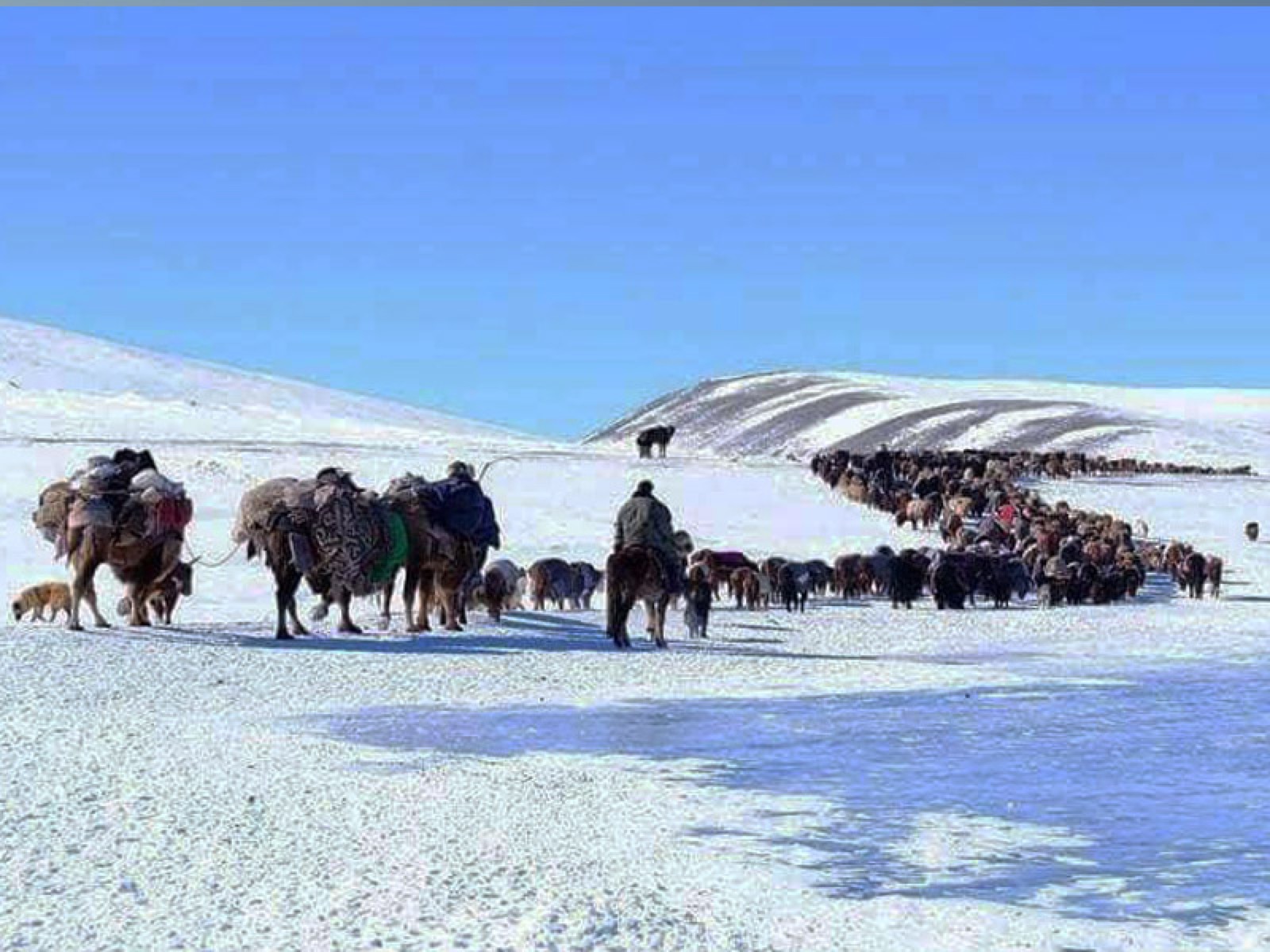
Winter is Mongolia with the tourists removed. From November to March the country is frozen, the sky is a hard clear blue, and herders are in their sheltered winter camps. It can be a wonderful time to visit. It is also truly cold, and a winter trip needs different planning from a summer one.
How cold is it?
Ulaanbaatar is the coldest national capital in the world. In January daytime temperatures of minus 15 to minus 25°C are normal, and nights of minus 30 to minus 40°C happen every winter. The north and the high valleys are colder still. The Gobi is a little milder by day but bitter in the wind.
Two things make it more bearable than the numbers suggest. The air is very dry, and most days are still and sunny. Dressed properly, you can be outside for hours. Dressed badly, ten minutes is too long.
What there is to do
- Tsagaan Sar. The Lunar New Year, in late January or February, is the biggest family holiday of the year. Families visit their elders in order of seniority and eat enormous numbers of steamed dumplings (buuz). As a guest in a home you will be fed constantly. See festivals in Mongolia.
- Khuvsgul Ice Festival. In early March, on the frozen lake: horse sleds, skating, ice sculpture and games on ice more than a metre thick.
- Camel festival. In early March in the Gobi, with camel races and polo.
- Eagle hunting. In the Altai, Kazakh hunters go out with their eagles in winter. This is the real activity that the autumn festivals celebrate.
- Winter herding life. Staying with a family in their winter camp shows a side of nomadic life that summer visitors never see.
- Dog sledding and winter riding in Terelj and around Khuvsgul.
- Skiing. There is a small ski resort, Sky Resort, on the edge of Ulaanbaatar.
What changes in winter
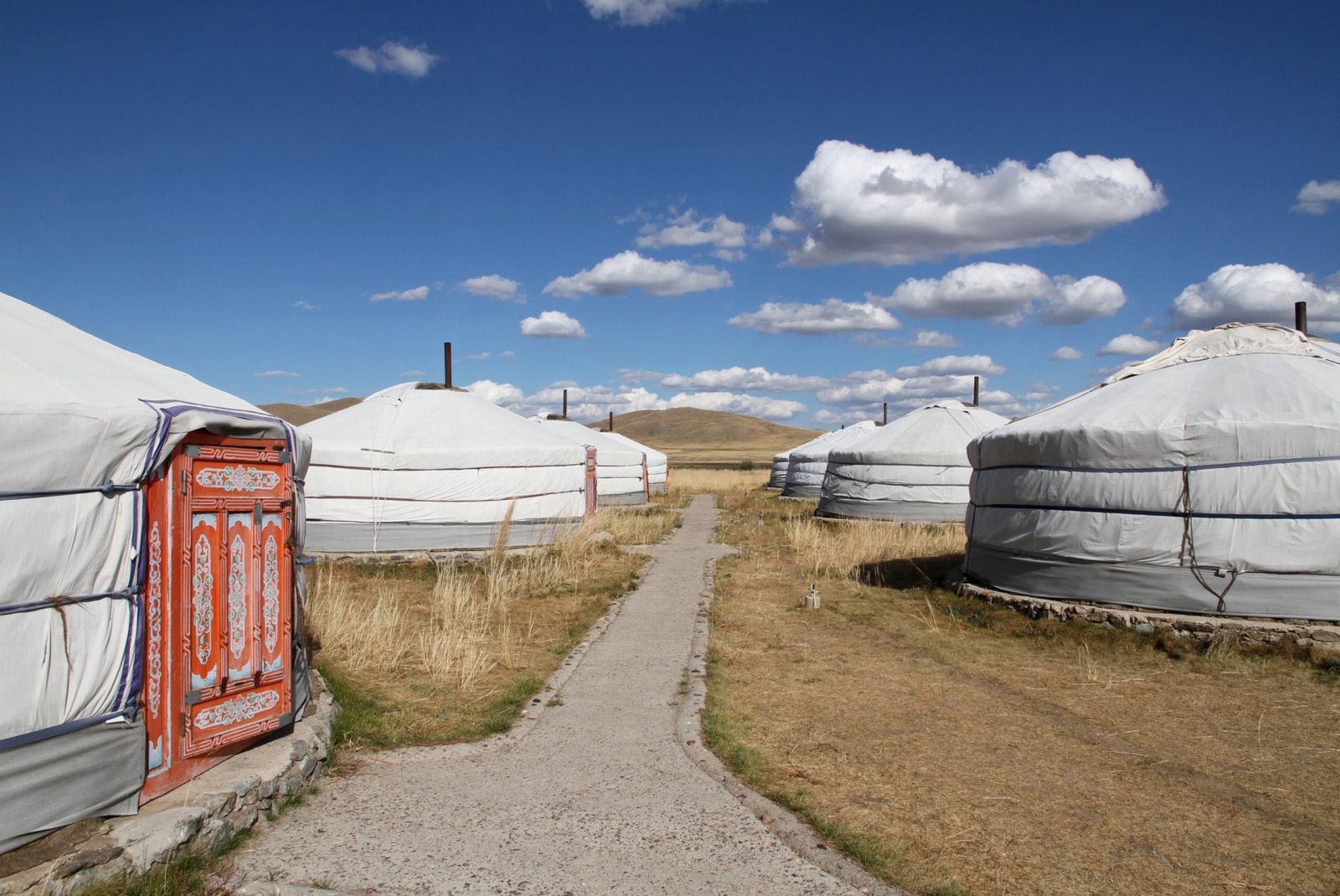
- Most ger camps are closed. You stay in heated family gers, guesthouses and town hotels. A ger with a well-fed stove is warm, though it cools quickly at night when the fire burns down.
- Days are short. About eight hours of daylight in December.
- Travel is slower. Snow can close mountain passes. Vehicles need winter preparation and experienced drivers. Itineraries are shorter and more flexible.
- Fewer departures. Most winter trips are private or built around one festival.
- Ulaanbaatar's air is badly polluted on cold, still days, because the ger districts burn coal for heat. If you have asthma or a heart condition, limit your time in the city or bring a good mask.
What to wear
Layers, and no cotton next to the skin:
- Thermal base layers, top and bottom
- A fleece or wool mid layer
- A thick down jacket with a hood, long enough to cover your hips
- Insulated trousers or ski trousers
- Winter boots rated to at least minus 30°C, with room for thick socks
- Mittens over thin gloves (mittens are warmer than gloves)
- A hat that covers the ears, and a scarf or buff for the face
Keep phone and camera batteries in an inside pocket. Cold drains them in minutes. See also what to pack.
Who should go in winter
People who have been to Mongolia before, photographers, and travellers who enjoy cold-weather destinations and want to see everyday life rather than sights. For a first visit with limited time, summer shows you more for less effort. If winter appeals, talk to an advisor: this is a season where local judgement on roads, weather and hosts matters most.