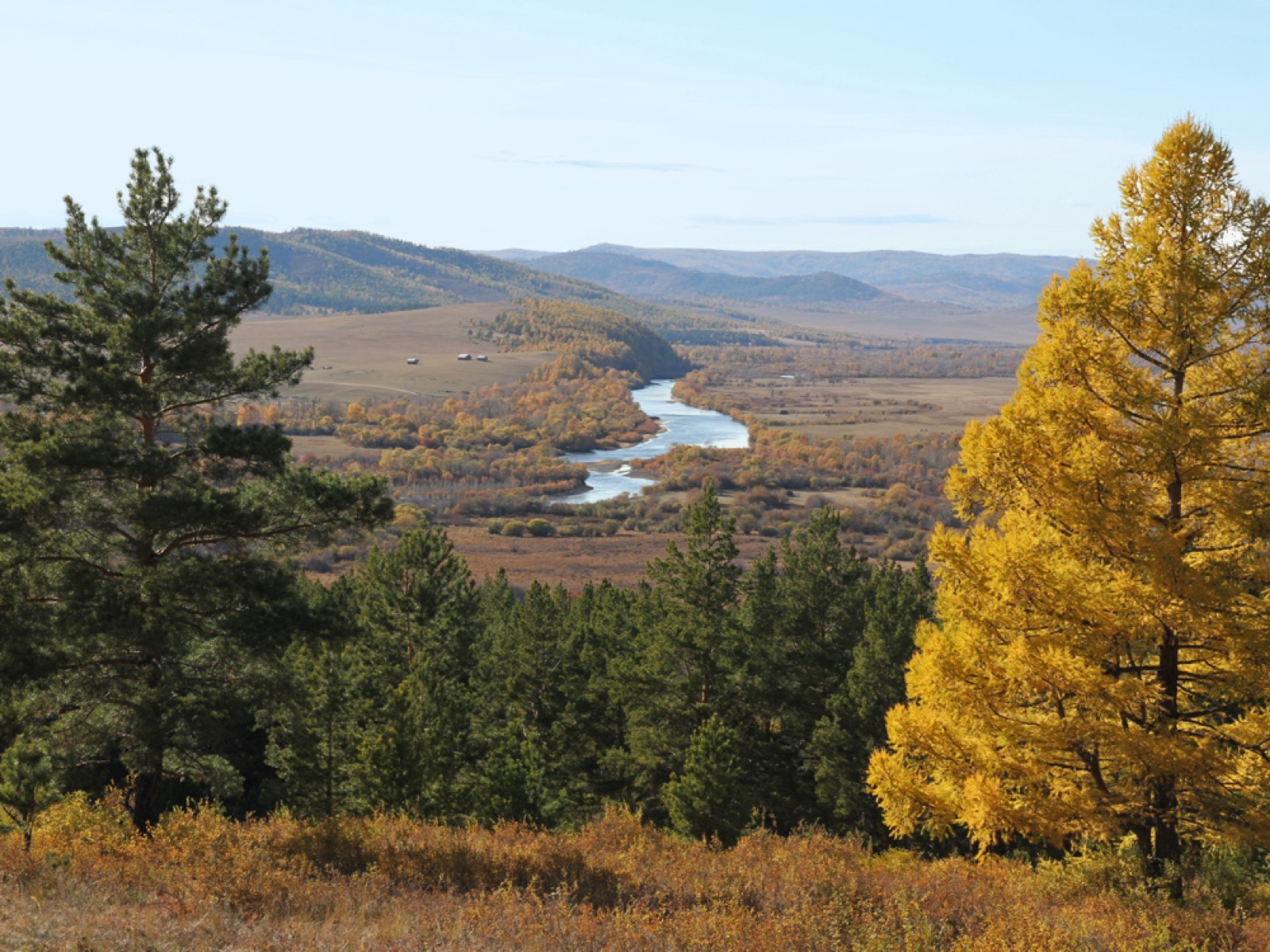
The Altai Mountains and western Mongolia
Glaciers, Mongolia's highest peaks and Kazakh eagle hunters in the far west. Remote, spectacular and demanding to reach.
3 min read · Updated
Western Mongolia feels like another country. The mountains are higher, the valleys barer, and in Bayan-Ulgii province most people are Kazakh, speak Kazakh at home and are Muslim. This is where eagle hunters still fly golden eagles in winter, and where Mongolia's highest peaks carry permanent ice. It is also far from everything, which keeps visitor numbers low.
The main places
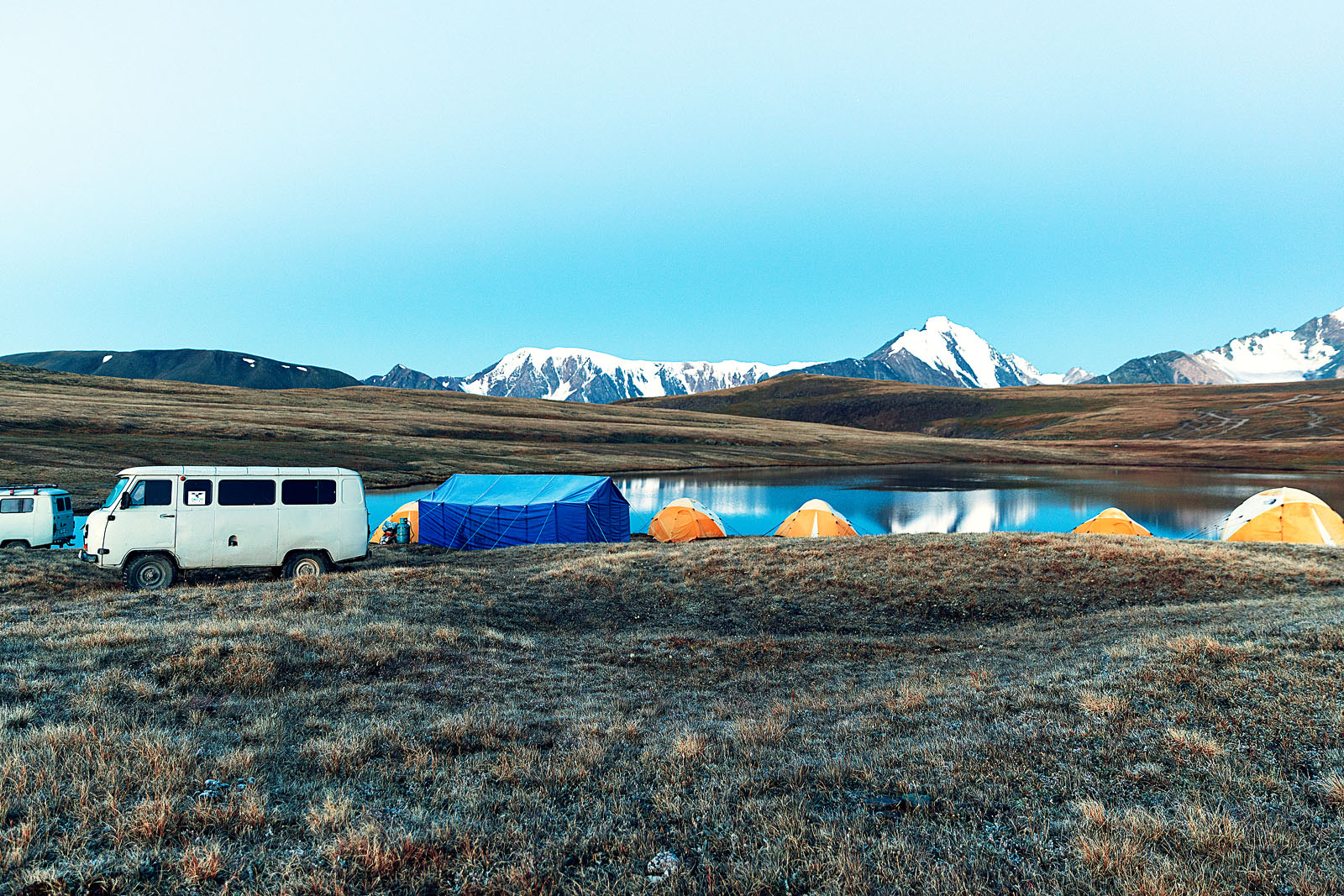
Altai Tavan Bogd National Park. The "Five Saints" are a cluster of peaks on the border with Russia and China. The highest, Khuiten, reaches 4,374 metres and is the highest point in Mongolia. Below the peaks runs the Potanin Glacier, the country's longest at around 14 km. From the base camp you can walk to viewpoints over the glacier, or climb Malchin Peak, a long but non-technical day for fit walkers.
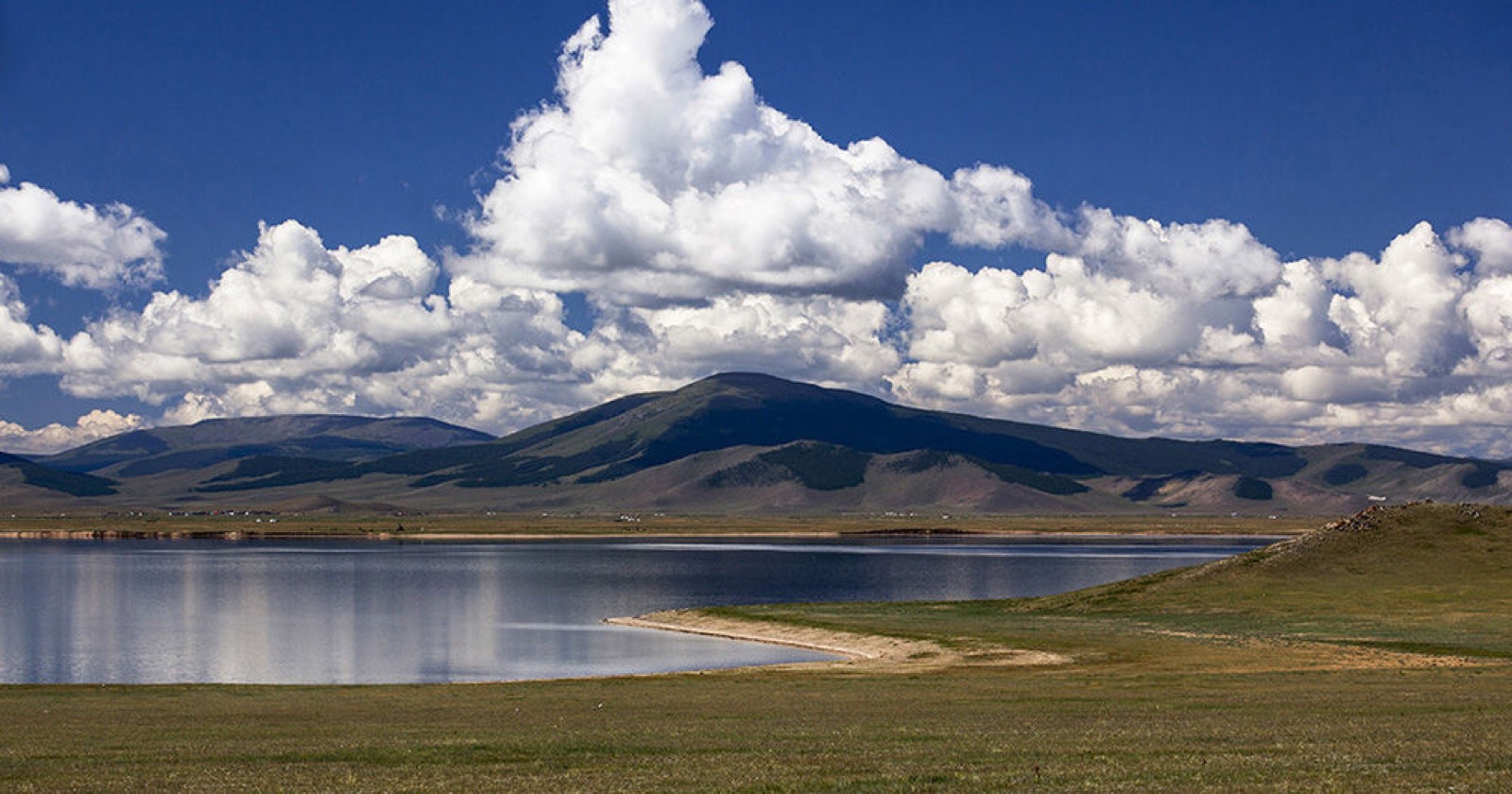
The lakes. In the south of the park, Khoton and Khurgan lakes lie in a wide valley of larch forest and summer pastures, with Kazakh and Tuvan families camped along the shore. Multi-day treks between the lakes and the Tavan Bogd base camp, with camels or horses carrying the bags, are the classic way to see the park.
Ulgii. The provincial capital is a small, dusty and friendly town with a mosque, a bazaar and a good local museum. It is the starting point for everything.
Eagle hunter families. Around Sagsai, Altai and Tolbo, families host visitors and show how eagles are trained and kept. Hunting itself happens in winter, when fox fur is thick. See the Golden Eagle Festival.
Further afield. Petroglyph sites in the park, part of a UNESCO World Heritage listing, hold thousands of rock carvings. To the east, Khovd province and the lake basin around Uvs offer desert, lakes and snow peaks with almost no visitors.
Getting there
Ulgii is about 1,600 km from Ulaanbaatar. Flying takes around three hours. Driving takes three to four days each way, so nearly every trip uses flights. Seats are limited and sell out around the eagle festival, so book early.
From Ulgii to the park is another five to seven hours on rough tracks. Because the park lies on the border, you need a border zone permit, which your operator arranges in Ulgii with your passport details.
How many days
Eight to twelve days from Ulaanbaatar. Less than a week leaves too little time once flights and the drive to the park are counted.
When to go
- Mid June to mid September for trekking. July and August are warmest, though snow can fall in any month at altitude.
- Late September and early October for eagle festivals. Days are clear and cold. Nights are well below freezing.
- Winter for those who want to see real hunting with eagles. It is extremely cold and needs specialist planning.
What it is honestly like
- Altitude. Base camp is at around 3,000 metres. Most people feel it for the first day or two.
- Weather turns fast. Sun, wind, rain and snow in a single afternoon are normal.
- Basic comfort. Outside Ulgii you will mostly sleep in tents or family gers. There are very few tourist camps and no showers in the park.
- Rough roads. The drives are short in kilometres and long in hours.
- A different food culture. Kazakh families serve their own dishes, including beshbarmak (boiled meat with noodles) and plenty of tea, bread and dried curd.
Who it suits
Fit, flexible travellers who want mountains and a living culture and do not mind camping. It is not the easiest first trip to Mongolia, but people who go rarely stop talking about it. See the departures to western Mongolia.