The Gobi Desert: what to see and what it is really like
Dunes, ice gorges and dinosaur cliffs in southern Mongolia. What the Gobi looks like, how to get there, and how many days you need.
3 min read · Updated
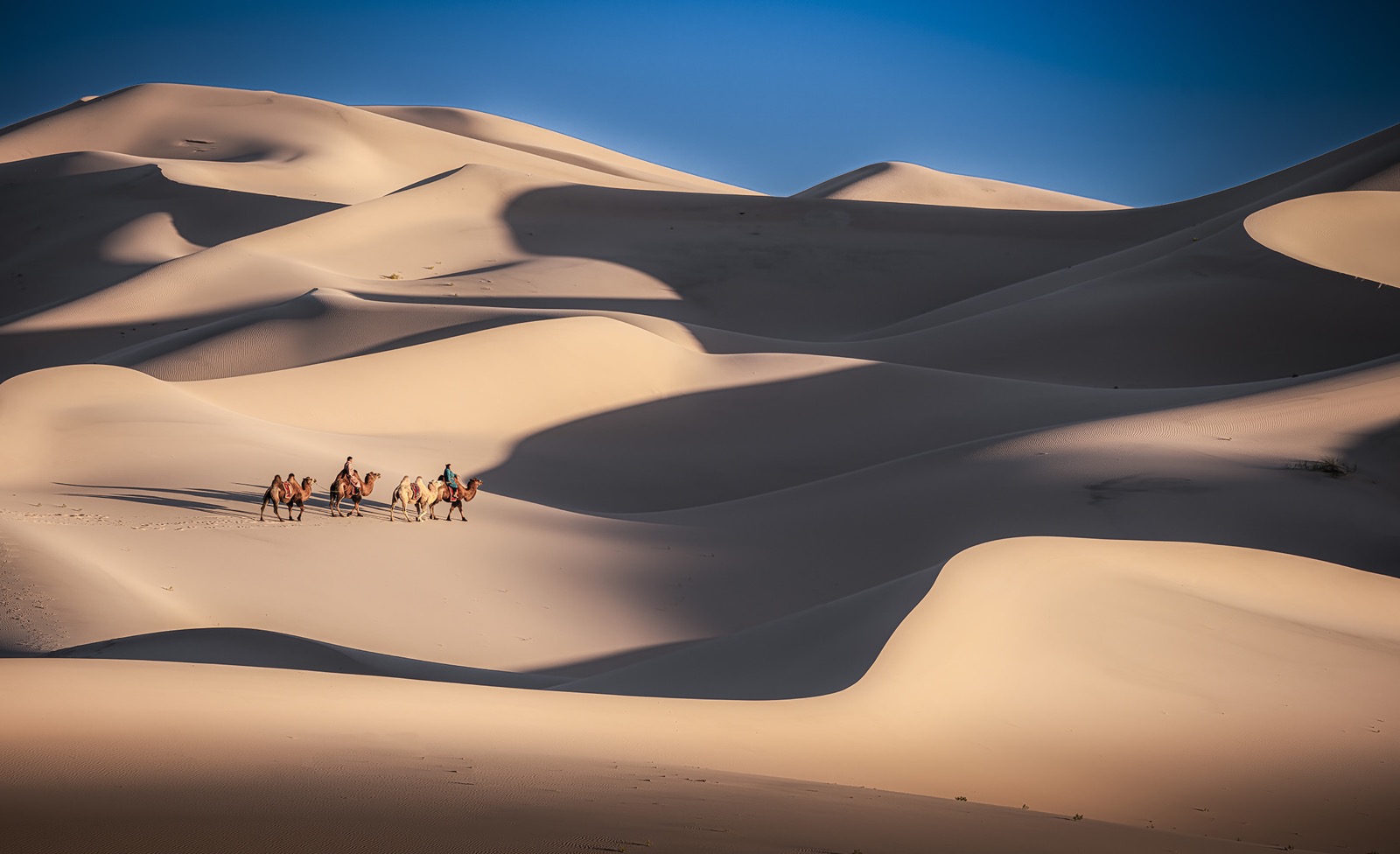
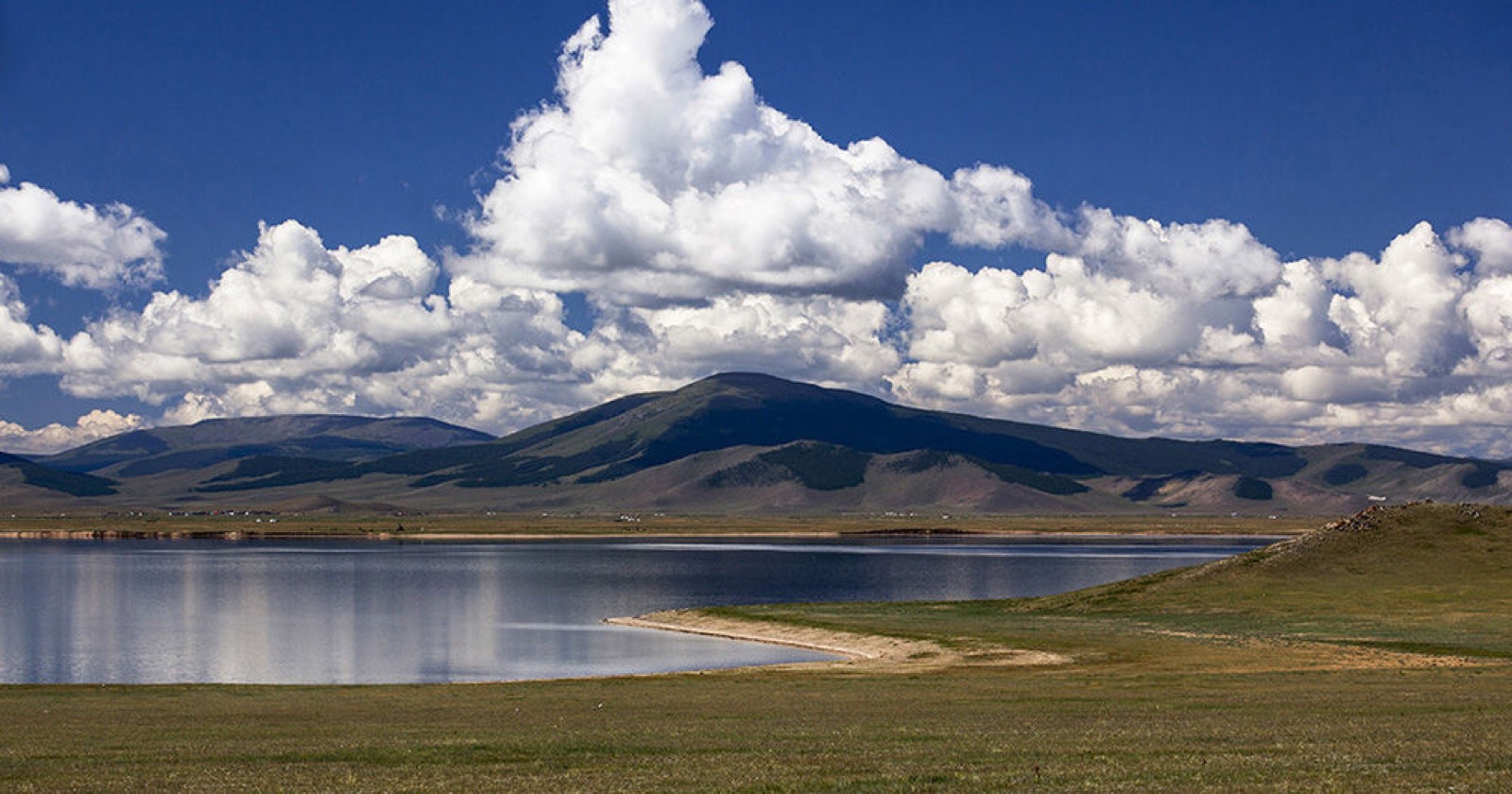
The Gobi is the reason many people come to Mongolia, and it surprises almost all of them. Only a small part of it is sand. Most of the Gobi is gravel plain, dry grassland, rocky hills and wide empty basins, with a few places of real drama several hours' drive apart. It is a landscape of distance. If you enjoy big skies and silence, you will love it. If you expect a sea of dunes from the first day, it helps to know the truth before you go.
The main places
Khongoryn Els is the great dune field of the Mongolian Gobi: a wall of sand more than 100 km long, with the highest dunes reaching around 300 metres. Climbing to the crest takes 45 minutes to an hour of slow, sliding steps. Go late in the afternoon, when the sand has cooled and the light is low. Herder families at the foot of the dunes keep Bactrian (two-humped) camels, and this is the best place for a camel ride.
Yolyn Am is a narrow gorge in the Gurvan Saikhan mountains. A stream runs through it and freezes into thick ice in winter. The ice often lasts into early summer, so you can walk on ice in the desert in June. By late July most of it has usually melted. The walk is easy and mostly flat.
Bayanzag, known in English as the Flaming Cliffs, is a line of red sandstone bluffs. In the 1920s an American expedition led by Roy Chapman Andrews found dinosaur eggs here, the first that science recognised. At sunset the cliffs turn deep orange. It is a place for an hour or two of walking, not a full day.
Tsagaan Suvarga, the White Stupa, is a row of eroded cliffs striped in white, pink and ochre, on the road between Ulaanbaatar and the south. Most itineraries stop here on the way down.
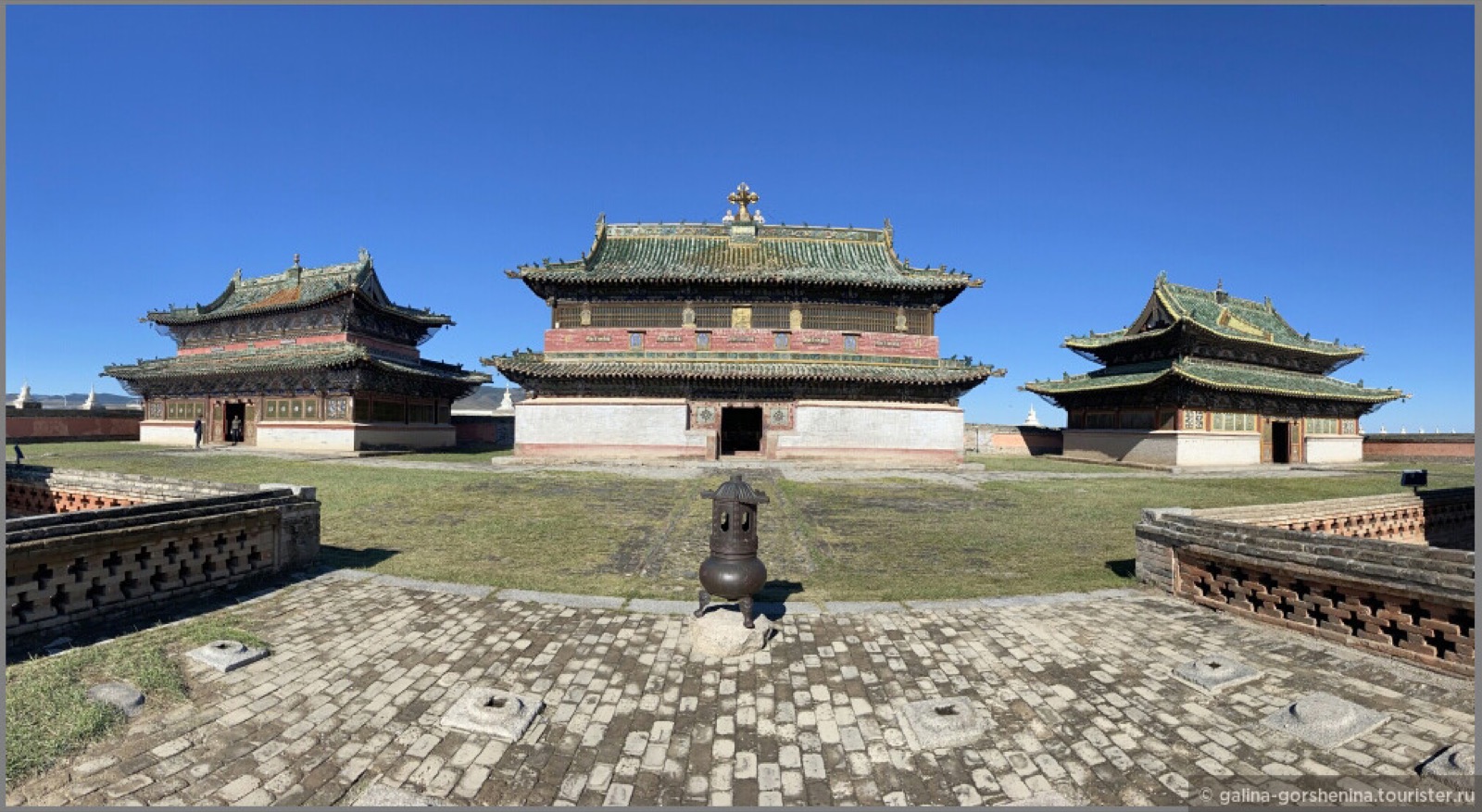
Ongi Monastery is a set of ruins beside the Ongi river, destroyed in the 1930s, and a common stop when a route links the Gobi with central Mongolia.
Getting there
The gateway town is Dalanzadgad, the capital of Umnugovi province, roughly 580 km south of Ulaanbaatar. There are two ways down:
- By road. The highway is paved all the way to Dalanzadgad and takes eight to nine hours. Most tours break the journey at Tsagaan Suvarga or Baga Gazriin Chuluu.
- By air. Domestic flights take about an hour and a half. Schedules change by season, and flights are busiest in July and August.
Beyond Dalanzadgad almost everything is on dirt tracks. Khongoryn Els is around 180 km from town, and that alone takes four to five hours.
How many days
A Gobi trip from Ulaanbaatar needs six to eight days by road. With flights both ways, the core sights fit in four or five. Trips that combine the Gobi with central Mongolia usually run ten to twelve days.
When to go
- June and September are the most comfortable months: warm days, cool nights, fewer visitors.
- July and August are hot. Afternoon temperatures can pass 35°C, and the occasional heavy rainstorm turns tracks to mud.
- May and October are possible but windy and cold at night.
- Winter is for the determined. Temperatures fall far below freezing, and most ger camps close.
What it is honestly like
- Long drives. Expect four to six hours in the vehicle on most days, much of it on bumpy tracks.
- Wind and dust. Bring a scarf or buff and something to protect your camera.
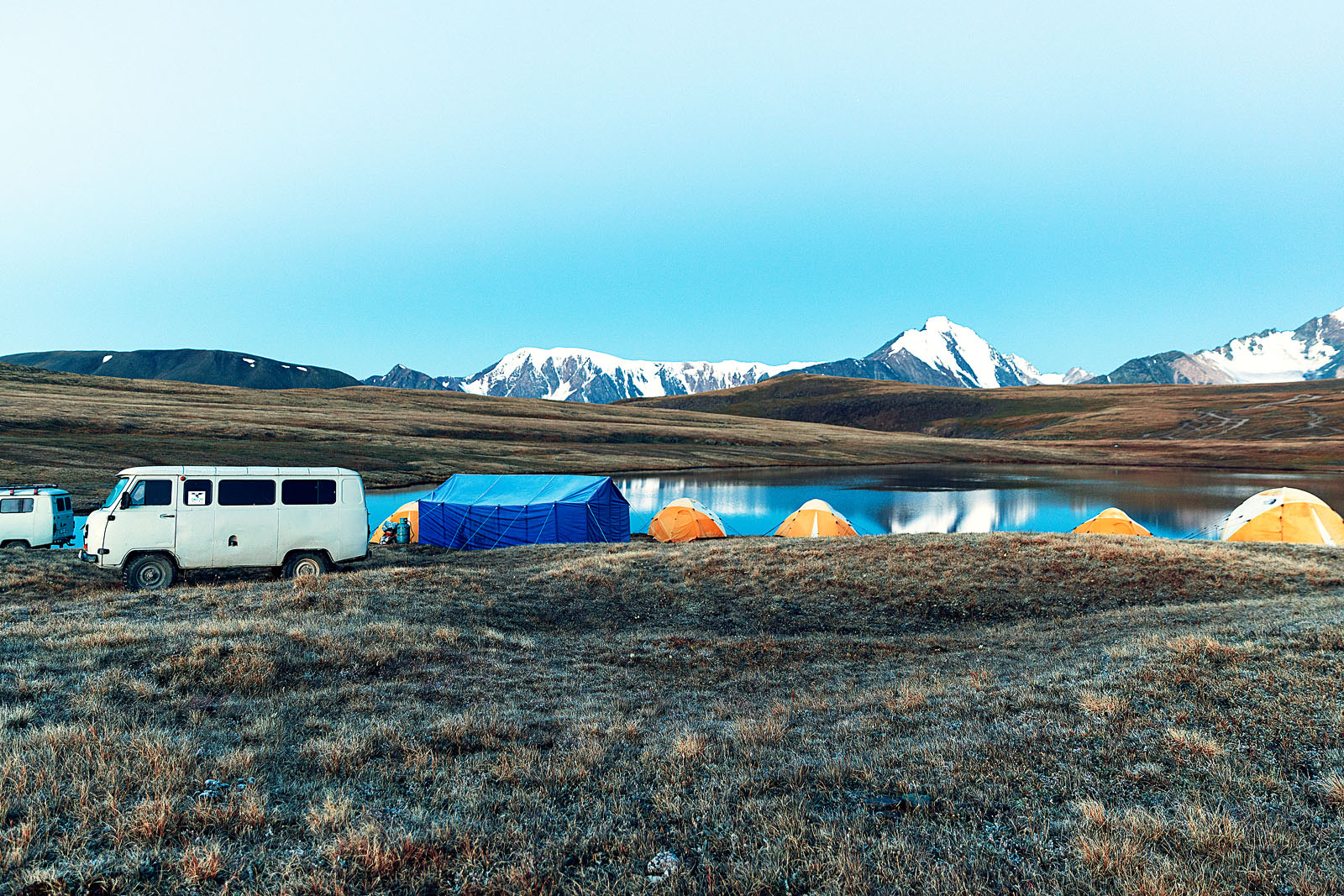
- Simple camps. Tourist ger camps have beds, a restaurant ger and a shared shower block. Hot water is not guaranteed at every hour.
- Little shade. A hat, sunglasses and sunscreen matter more here than anywhere else in the country.
- Night skies. With no towns for a hundred kilometres, the stars are extraordinary. This is one of the best reasons to come.
Who it suits
The Gobi suits travellers who are comfortable with long days on the road and basic comfort in exchange for scenery that few places on earth can match. The walking is easy, so it works for most ages. For families with young children, the driving hours are the main thing to weigh up. See the departures to the Gobi, or talk to an advisor about what fits your dates.