Central Mongolia and the Orkhon Valley
The old capital Kharkhorin, Erdene Zuu monastery, the Orkhon waterfall and hot springs. The easiest region to reach and the best for a first trip.
3 min read · Updated
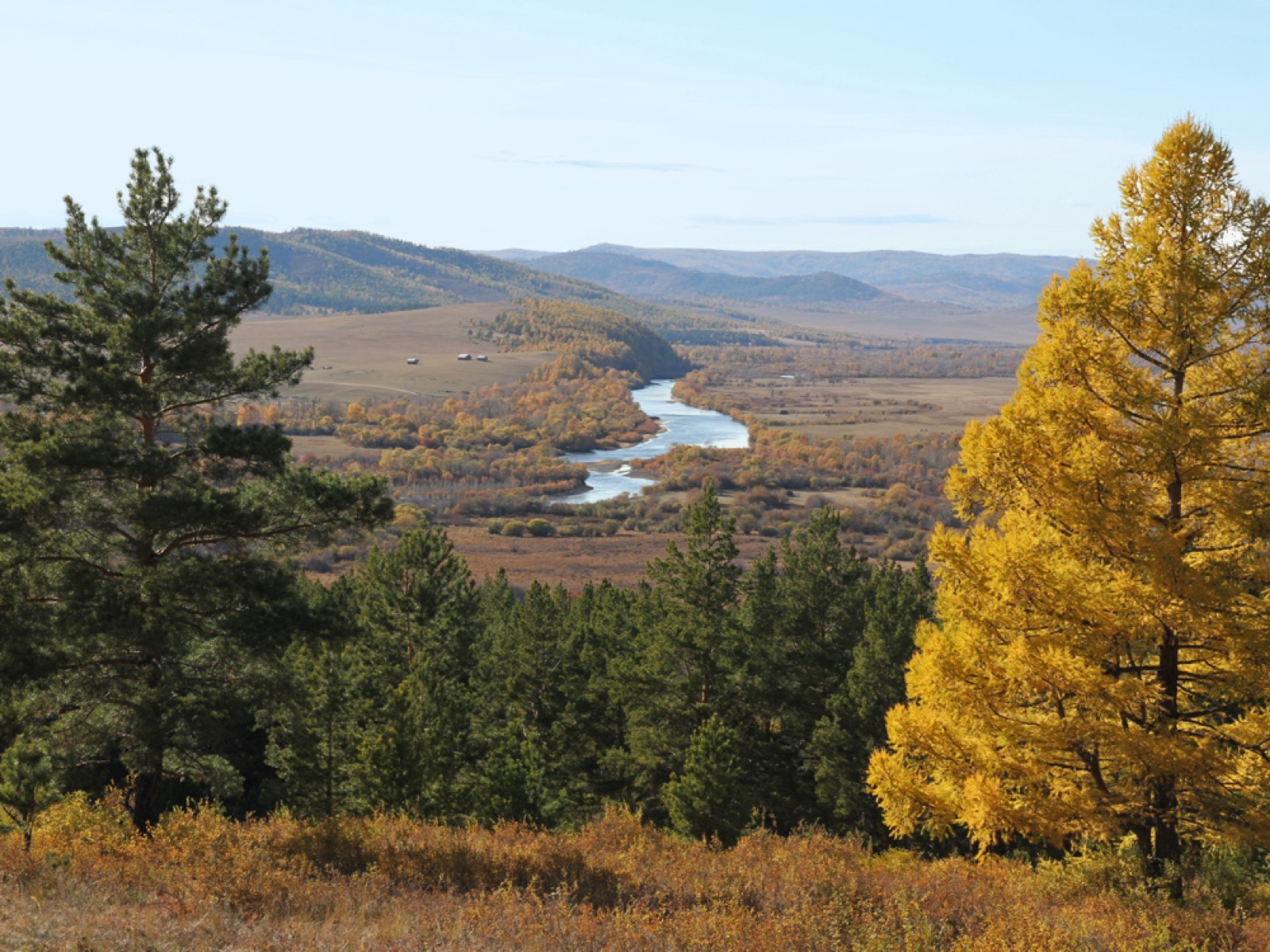
Central Mongolia is the heartland of the country: green river valleys, forested hills, herders' gers on every horizon and the remains of the Mongol Empire's capital. It is closer to Ulaanbaatar than any other major region, the drives are shorter, and the scenery is the "classic" steppe that most people imagine. For a first visit, a short trip or a family, this is usually where we suggest starting.
The main places
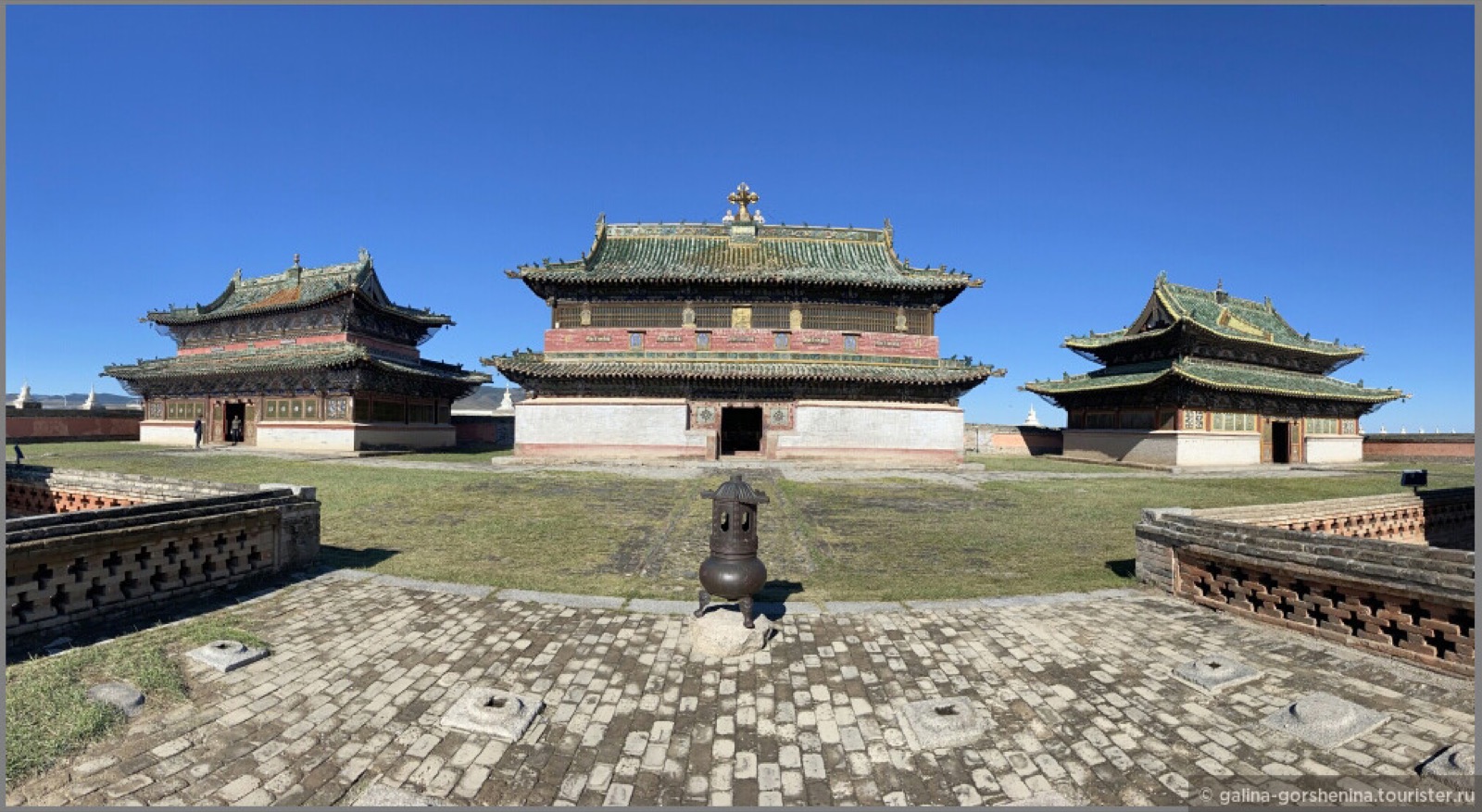
Kharkhorin and Erdene Zuu. Kharkhorin stands on the site of Karakorum, the 13th-century capital of the Mongol Empire. Very little of the old city survives above ground, and it is better to know that in advance. What you come for is Erdene Zuu, founded in 1585 and the oldest surviving Buddhist monastery in Mongolia, enclosed by a wall of 108 white stupas. The small Kharakhorum Museum nearby explains the old city well.
The Orkhon Valley. A UNESCO World Heritage cultural landscape since 2004, recognised for two thousand years of nomadic history. The upper valley is a broad lava plain cut by the Orkhon river, leading to the Orkhon waterfall (Ulaan Tsutgalan), about 20 metres high. The waterfall is strongest after the summer rains, from mid July to September, and can be nearly dry in early June. The track into the upper valley is rough and slow.
Tuvkhun Monastery. A small hermitage on a forested ridge, founded in the 17th century by Zanabazar, Mongolia's first Buddhist leader and greatest sculptor. Reaching it takes a walk or ride of about an hour uphill through larch forest.
Tsenkher hot springs. Natural hot water piped into outdoor pools at several ger camps. A welcome stop after days on the road.
Khustai (Hustai) National Park. About 100 km west of Ulaanbaatar, this is where the takhi, or Przewalski's horse, was brought back to the wild in 1992. The horses come down to drink in the evening, which is the best time to see them.
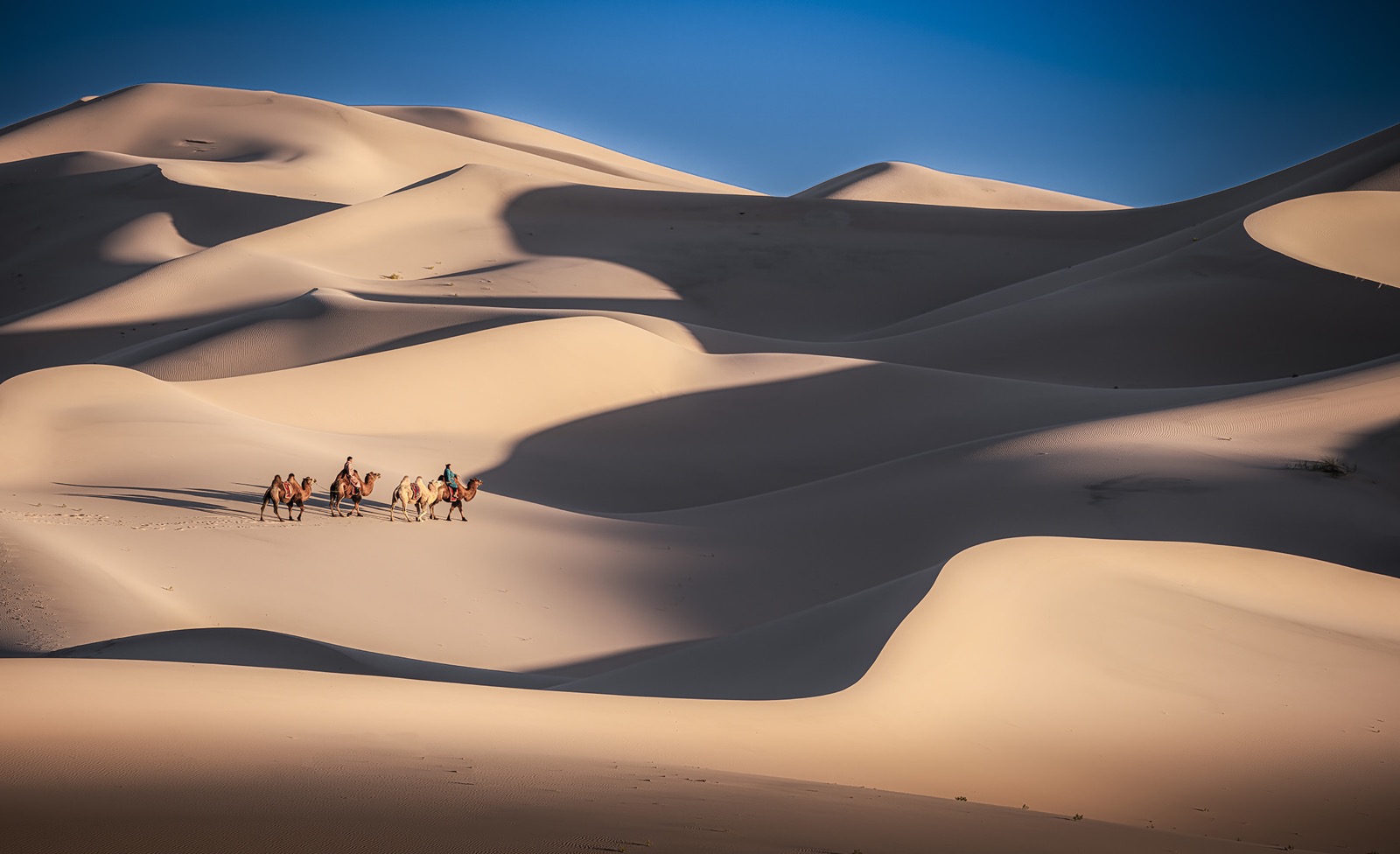
Elsen Tasarkhai. A strip of sand dunes beside the main road, sometimes called the Mini Gobi. It gives a taste of dunes and camels without the long drive south.
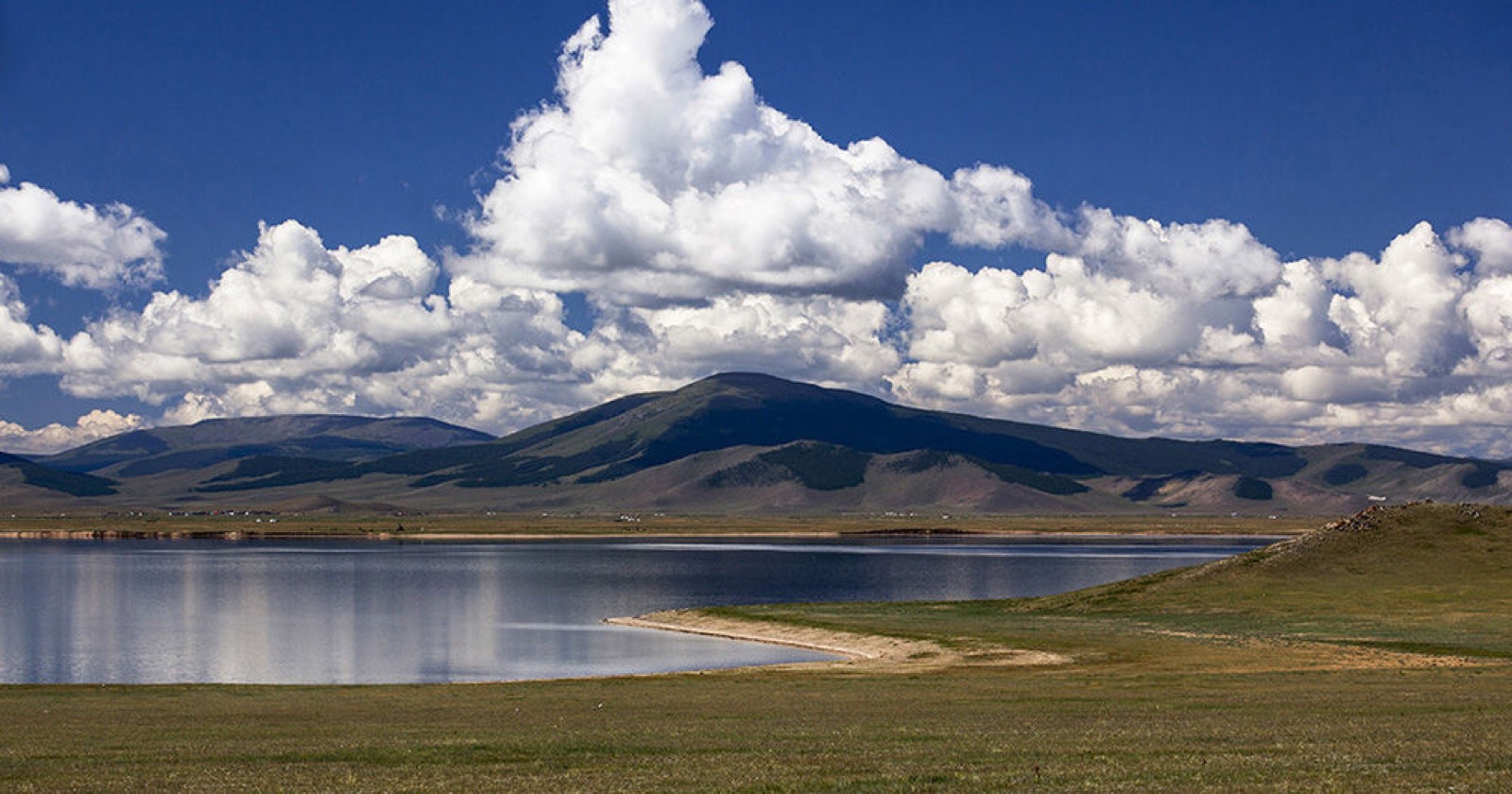
Terkhiin Tsagaan Lake and Khorgo volcano. Further west in Arkhangai province: a freshwater lake dammed by old lava flows, with an extinct crater you can walk up in under an hour.
Getting there
Kharkhorin is about 360 km from Ulaanbaatar on a paved road, a drive of six to seven hours with stops. Beyond the main road, the Orkhon waterfall, Tuvkhun and the hot springs are reached on dirt tracks.
How many days
- Three to four days: Khustai, Elsen Tasarkhai and Kharkhorin.
- Six to eight days: add the Orkhon waterfall, Tuvkhun and Tsenkher hot springs.
- Nine days or more: continue to Terkhiin Tsagaan Lake, or link south to the Gobi.
When to go
June to September. The valleys are greenest from late June to mid August, which is also when herders make airag (fermented mare's milk) and local Naadam festivals take place. July and August bring afternoon thunderstorms. September is quiet, golden and cold at night.
What it is honestly like
- Green, but not wilderness. This is working herding country. You will share the valleys with thousands of sheep, goats, yaks and horses, which for most people is the point.
- Rain makes mud. After storms the tracks in the Orkhon Valley can be very slow.
- Flies and mosquitoes appear near rivers in July.
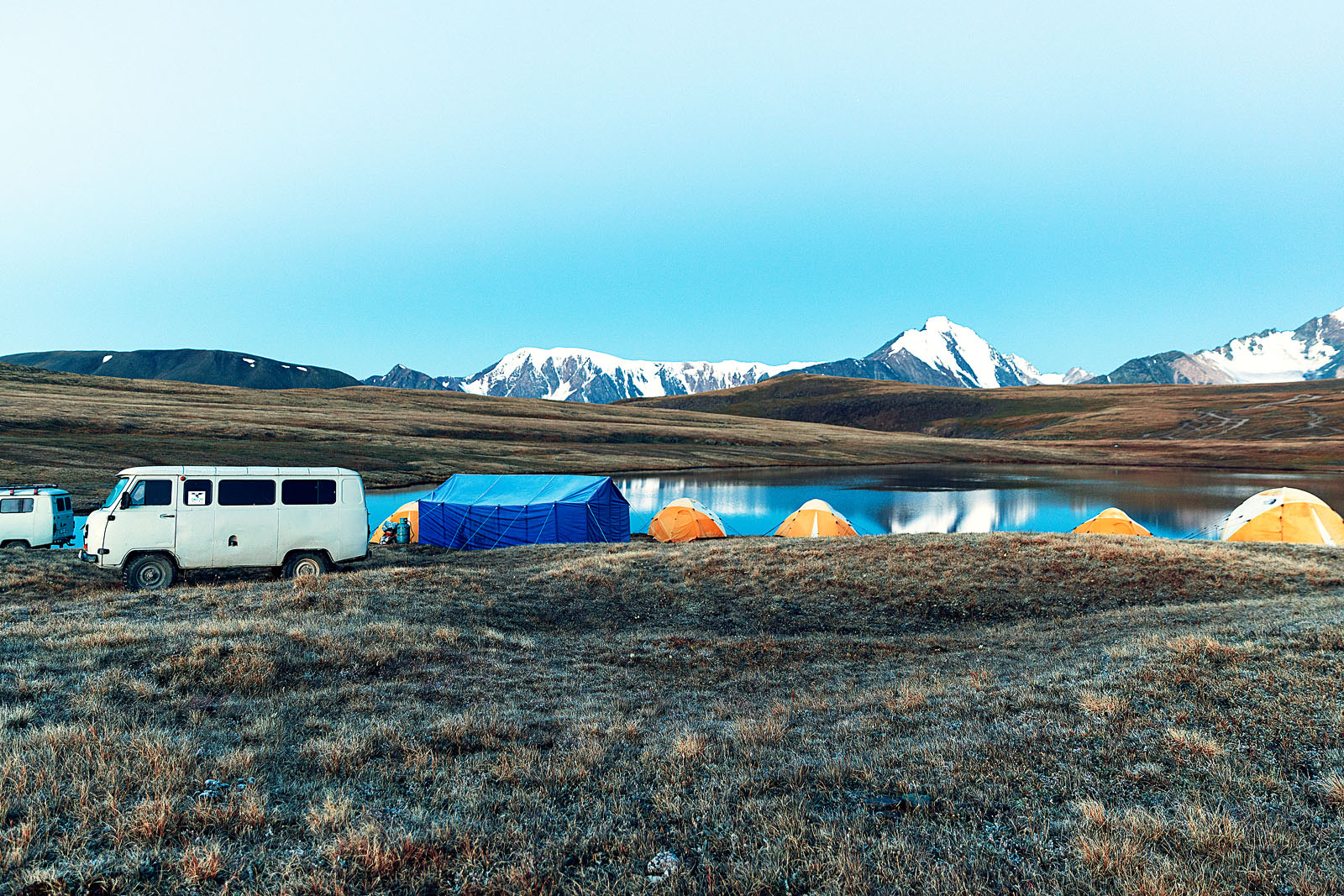
- Comfort is better here than in remoter regions. Several camps offer private bathrooms, and this region has the widest choice for families.
Who it suits
First-time visitors, families, anyone short of time, and people who want horses, history and a night with a herder family more than extreme landscapes. See the departures to central Mongolia.