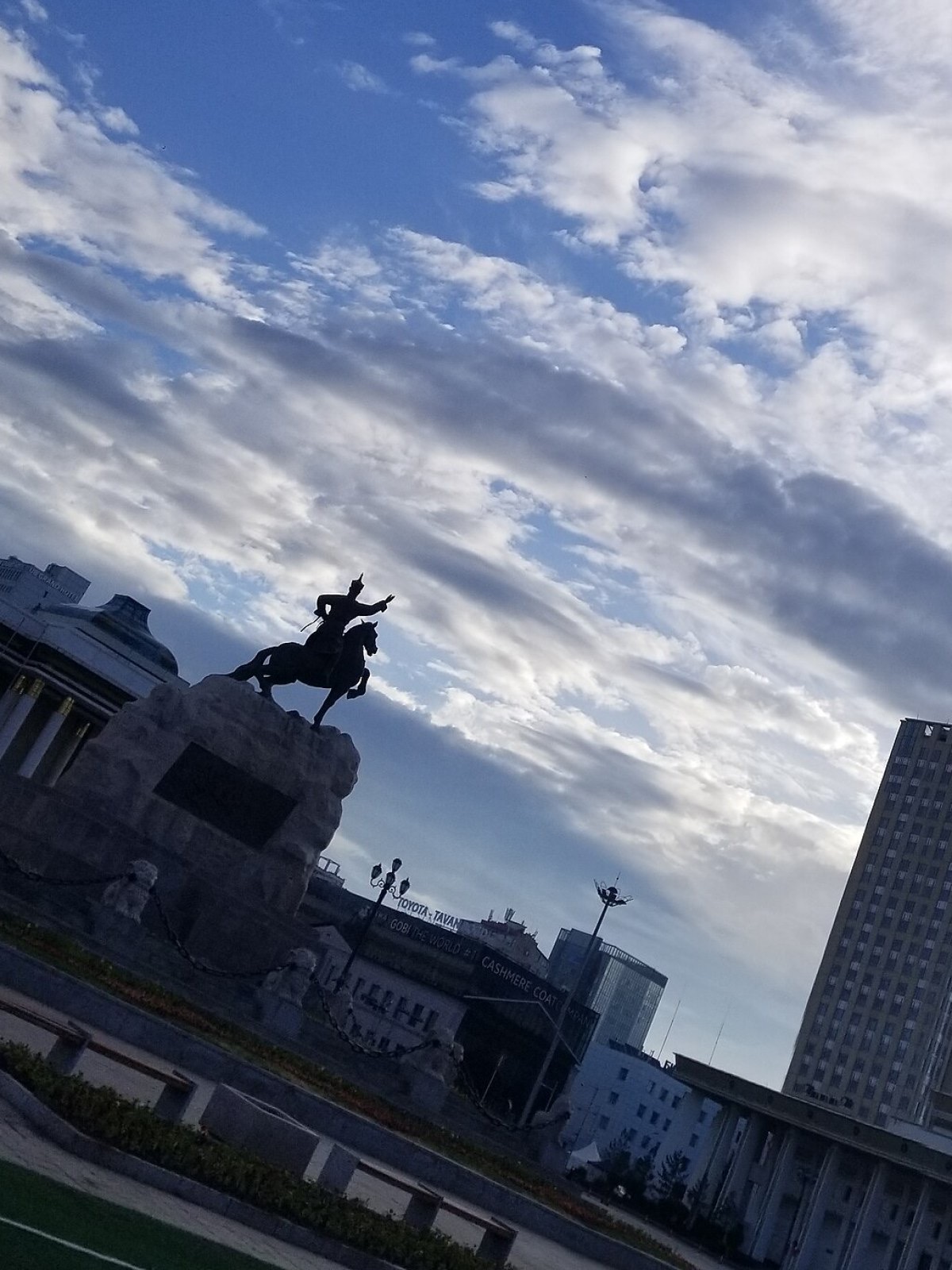
Eastern Mongolia and Khentii, the homeland of Chinggis Khaan
Endless grassland, gazelle herds and the birthplace of Chinggis Khaan. The least visited part of Mongolia.
2 min read · Updated
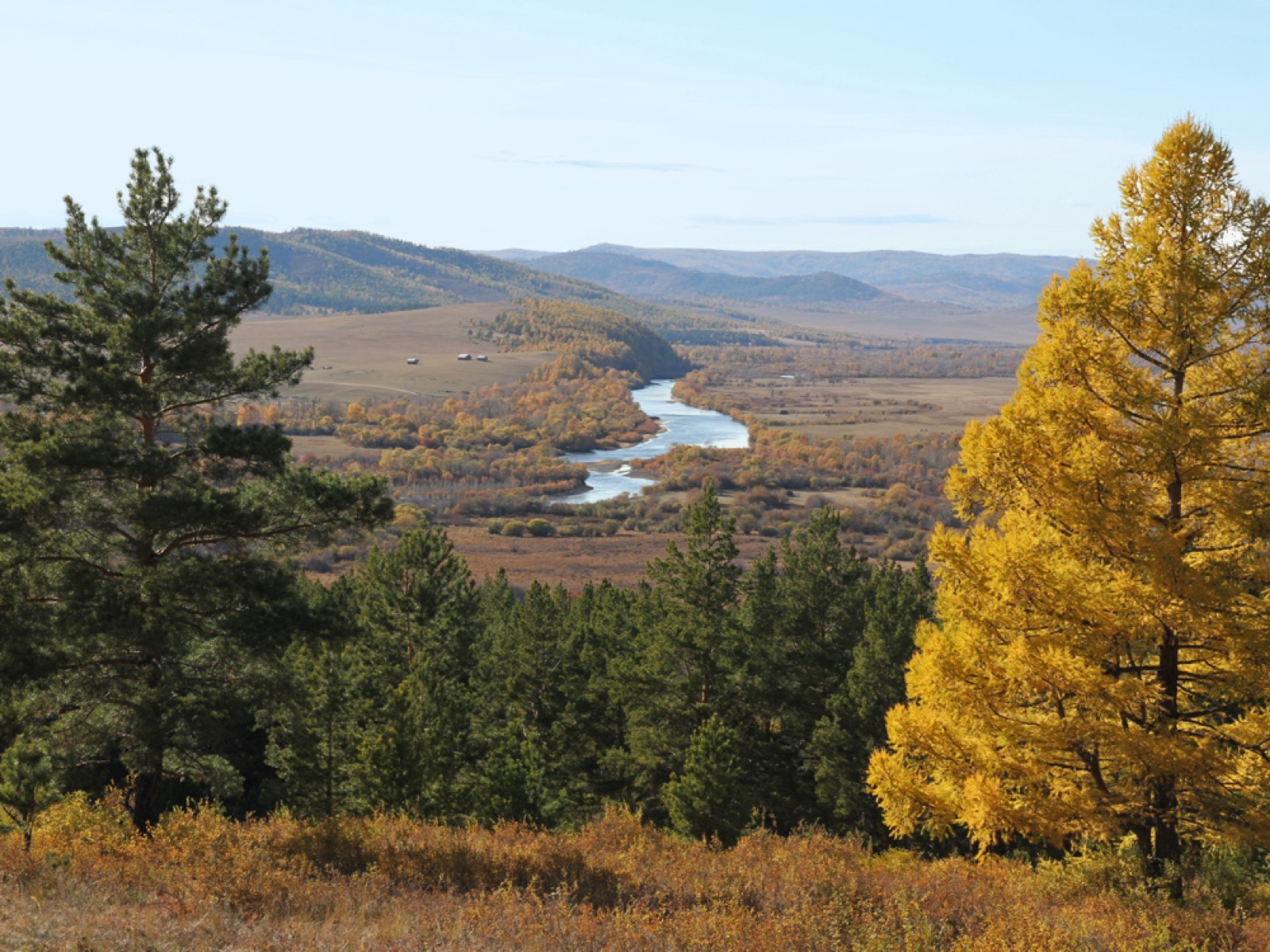
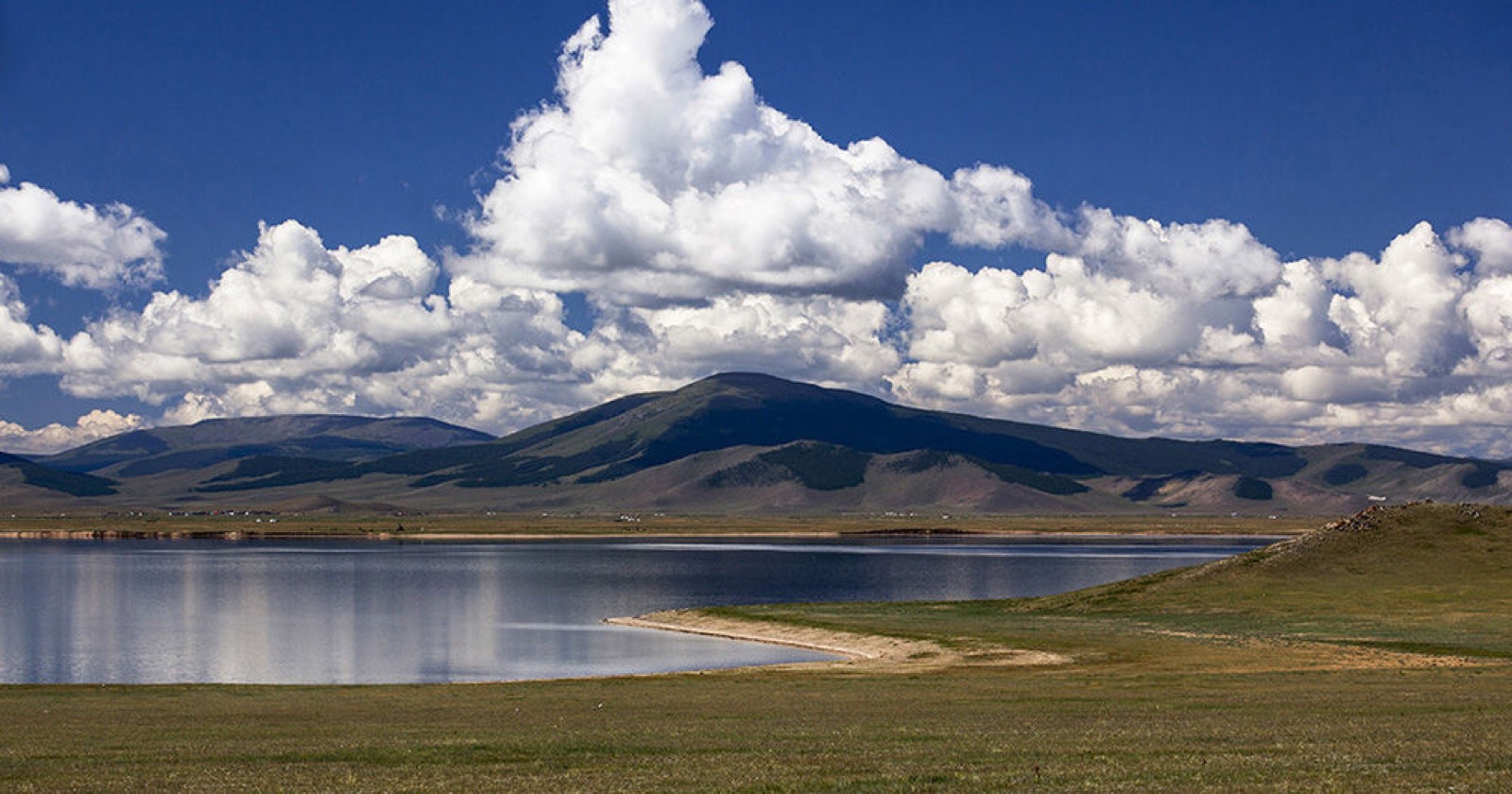
Eastern Mongolia is the part of the country almost no visitor sees. It has no dunes and no glaciers. What it has is the largest unbroken grassland left in Asia, forested mountains tied to the life of Chinggis Khaan, and a real chance of going days without meeting another traveller.
Khentii: forest and history
Khentii province, north-east of Ulaanbaatar, is where Temujin, later Chinggis Khaan, was born and rose to power in the 12th century.
- Dadal. A village of log houses among pine forest and lakes, traditionally held to be near his birthplace at Deluun Boldog.
- Burkhan Khaldun. The sacred mountain where he is said to have hidden from his enemies and prayed. It was added to the UNESCO World Heritage list in 2015. It is a place of pilgrimage for Mongolians, in a strictly protected area with difficult access.
- Khukh Nuur. A small lake beneath Khar Zurkh mountain, where tradition says Temujin was proclaimed khan of the Mongols.
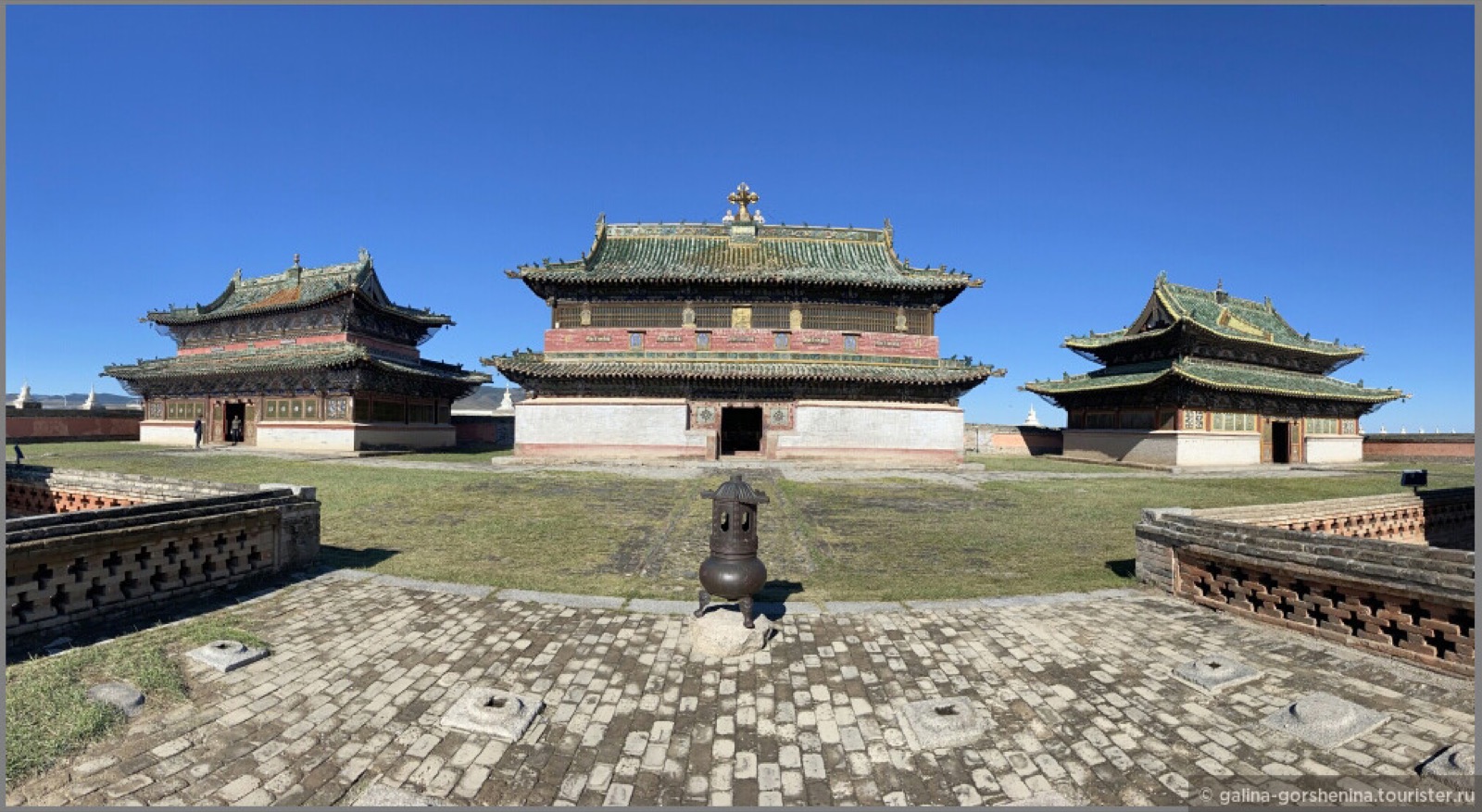
- Baldan Bereeven Monastery. A partly restored monastery in a quiet valley, once one of the largest in the country.
- Khan Khentii. A large protected area of mountains, rivers and taiga that begins just beyond Terelj. Good for multi-day horse treks close to the capital.
The eastern steppe
Further east, Dornod and Sukhbaatar provinces flatten into grassland that runs to the Chinese border. This is the home of the Mongolian gazelle, which still migrates here in herds of thousands. Seeing them depends on luck and on a driver who knows where they have been.
In the south-east, Dariganga is a region of extinct volcanoes, small lakes and sand, centred on the sacred mountain Shiliin Bogd.
Getting there
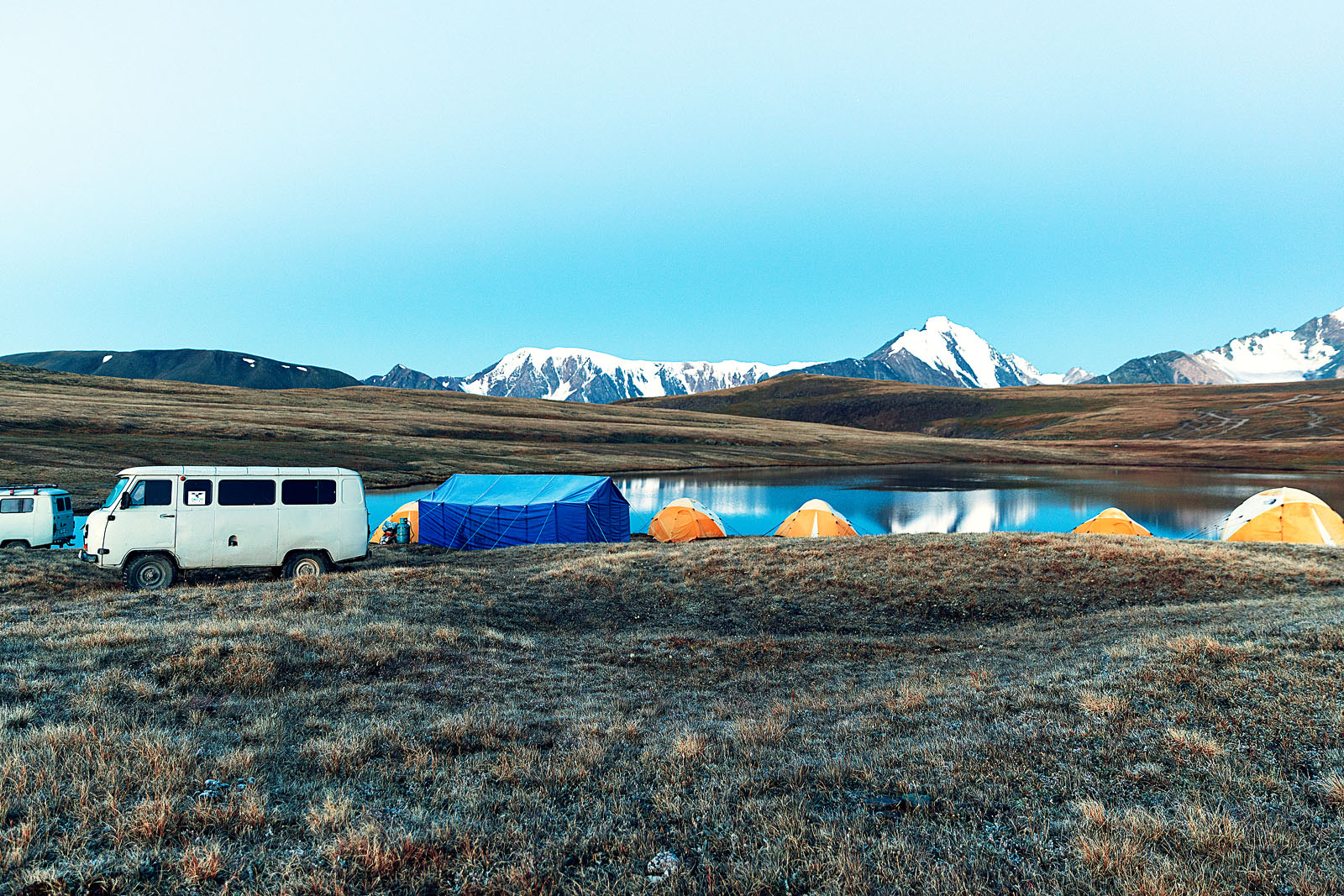
Chinggis town, the capital of Khentii province, is about 330 km east of Ulaanbaatar on a paved road. Dadal is a further long day on tracks. Dornod's capital Choibalsan is around 650 km from Ulaanbaatar. There is little tourist infrastructure: few ger camps, almost no fixed departures. Most trips here are private, with tents and a cook.
How many days
Five to seven days for Khentii. Ten days or more to include the far eastern steppe and Dariganga.
When to go
June to September. The grass is at its best in July and August. Rivers in Khentii can flood tracks after heavy rain, so itineraries need some slack.
What it is honestly like
- Subtle rather than spectacular. The appeal is space, light and solitude. Travellers who want a new sight every day may find it slow.
- History you have to imagine. There are few monuments. The sites matter because of what happened there.
- Self-sufficient travel. Expect camping, long distances between fuel and shops, and mosquitoes near water.
- Border areas in the far east need permits.
Who it suits
Returning visitors, people with a serious interest in Mongol history, birdwatchers and anyone who wants the steppe to themselves. Because fixed departures are rare, this is a region to discuss with an advisor. You can also check the departures to eastern Mongolia.