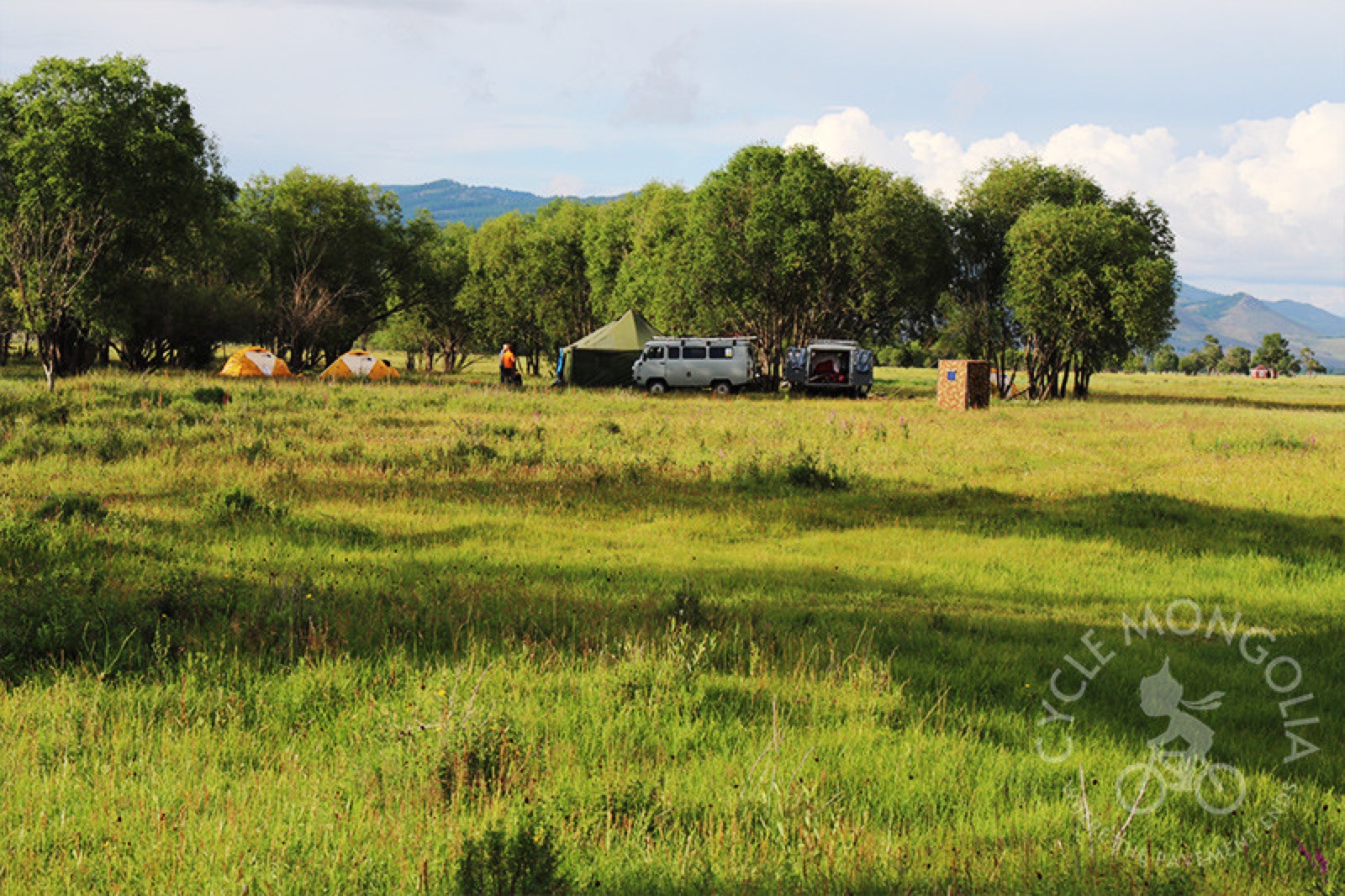
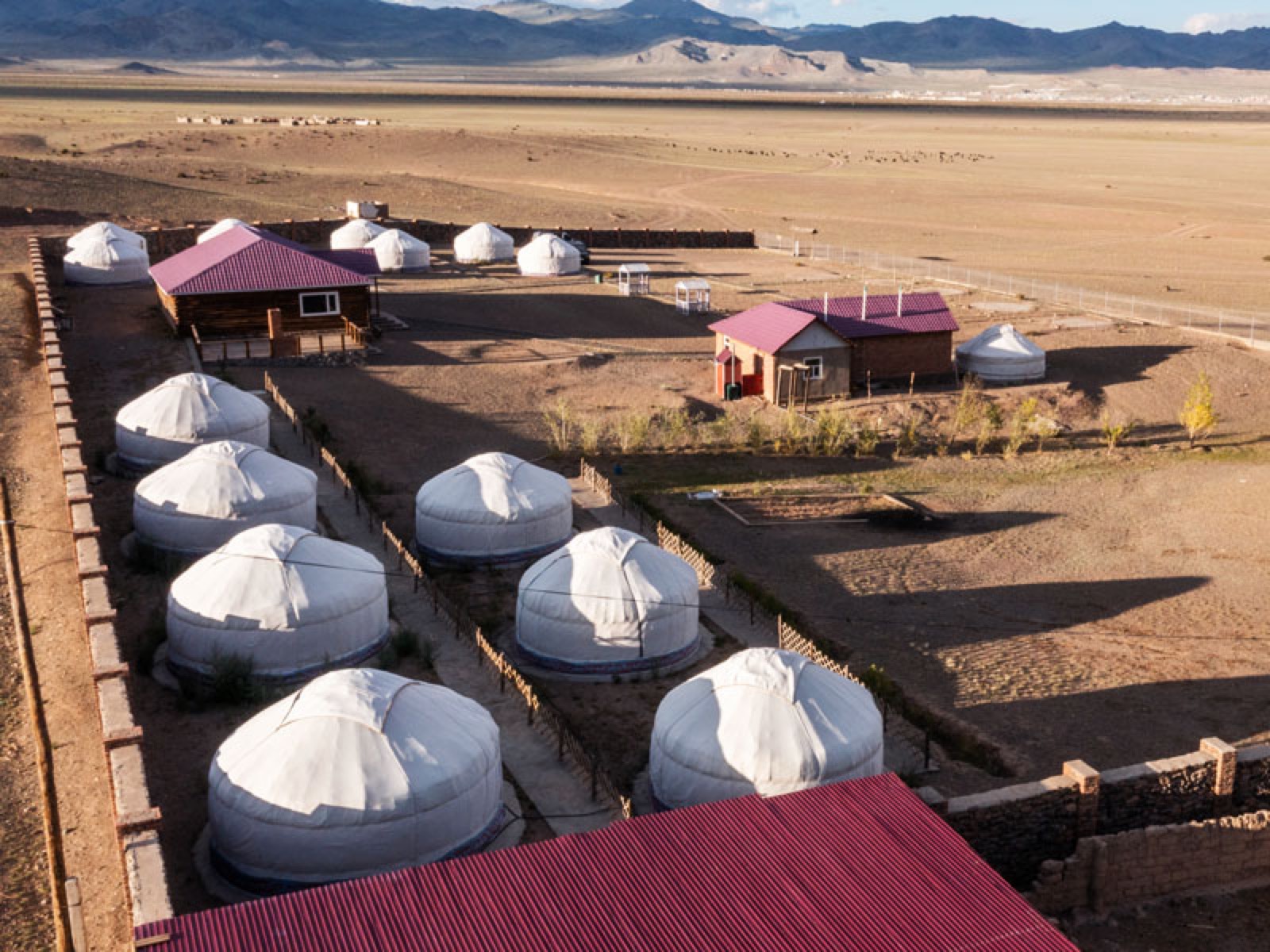
Getting to and around Mongolia: flights, trains and roads
How to reach Mongolia by air or on the Trans-Mongolian railway, and how travel inside the country really works: domestic flights, 4x4s and dirt roads.
3 min read · Updated
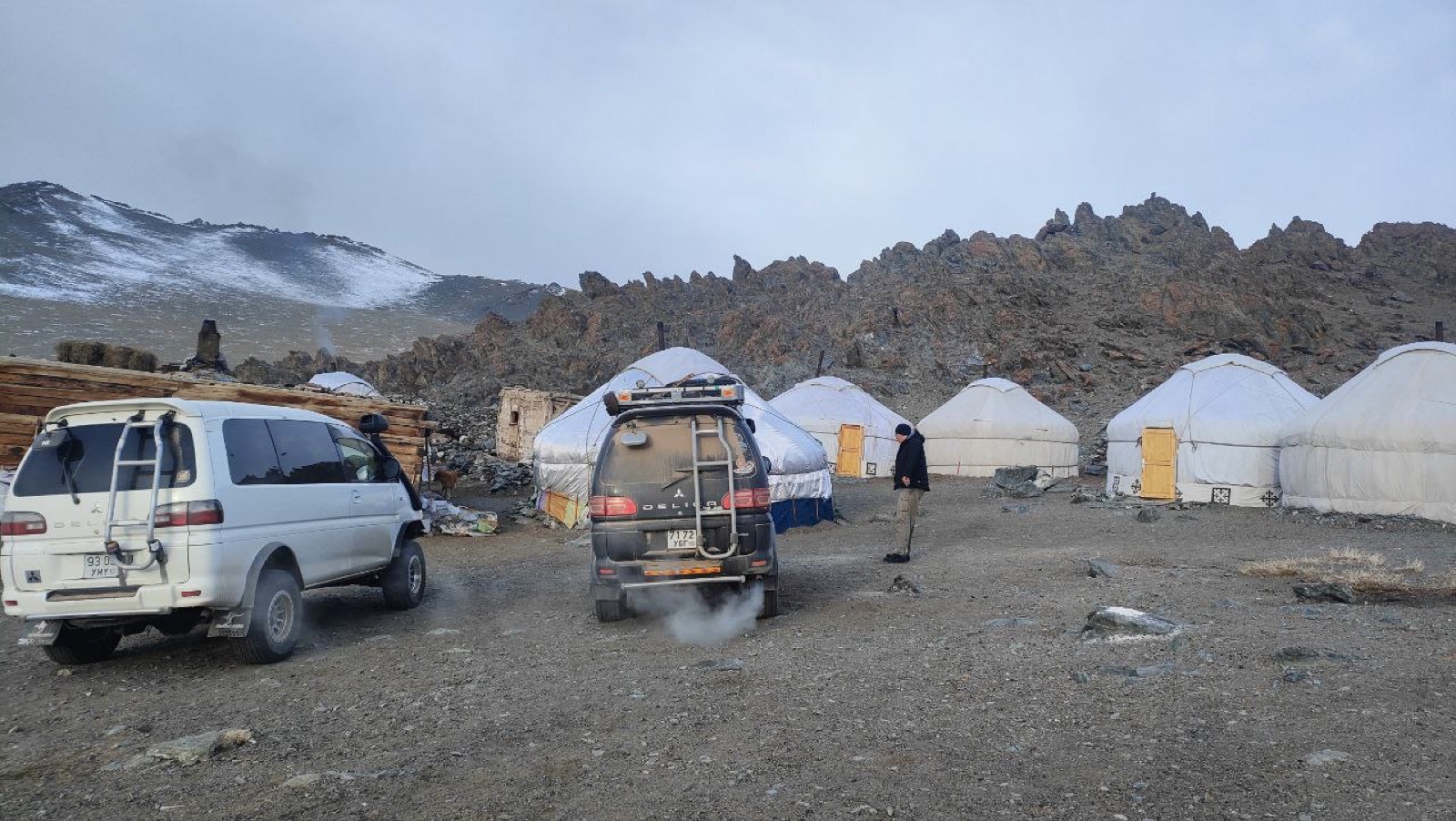
Mongolia is landlocked between Russia and China, a long way from most visitors' homes, and big enough that getting around inside it is a large part of any trip. Understanding the transport is the key to planning realistic days.
Getting to Mongolia
By air. Nearly all visitors fly in to Chinggis Khaan International Airport (code UBN), which opened in 2021 about 50 km south of Ulaanbaatar. The national airline, MIAT Mongolian Airlines, and a number of foreign carriers fly direct from hubs in Asia and Europe. Seoul has the most frequent connections. Istanbul, Frankfurt, Tokyo, Beijing and Hong Kong are other common routes. Routes and frequencies change with the season, and there are far more flights in summer.
Fares rise sharply for July. If you plan to come for Naadam, book flights early.
The transfer from the airport to the city centre takes an hour to an hour and a half. Most operators include a pick-up.
By train. The Trans-Mongolian railway runs from the Russian border at Sukhbaatar through Ulaanbaatar to the Chinese border at Zamyn-Uud, connecting with the Trans-Siberian line to the north and with Beijing to the south. International services have been disrupted and reduced at various times in recent years, so check current timetables before building a trip around the train.
By road. Some border crossings with Russia and China are open to foreign travellers. See visa and entry requirements.
Getting around: roads
Paved highways now link Ulaanbaatar with most provincial capitals. The road south to Dalanzadgad, west to Kharkhorin and beyond, and north towards Murun are all sealed. That is a big change from twenty years ago.
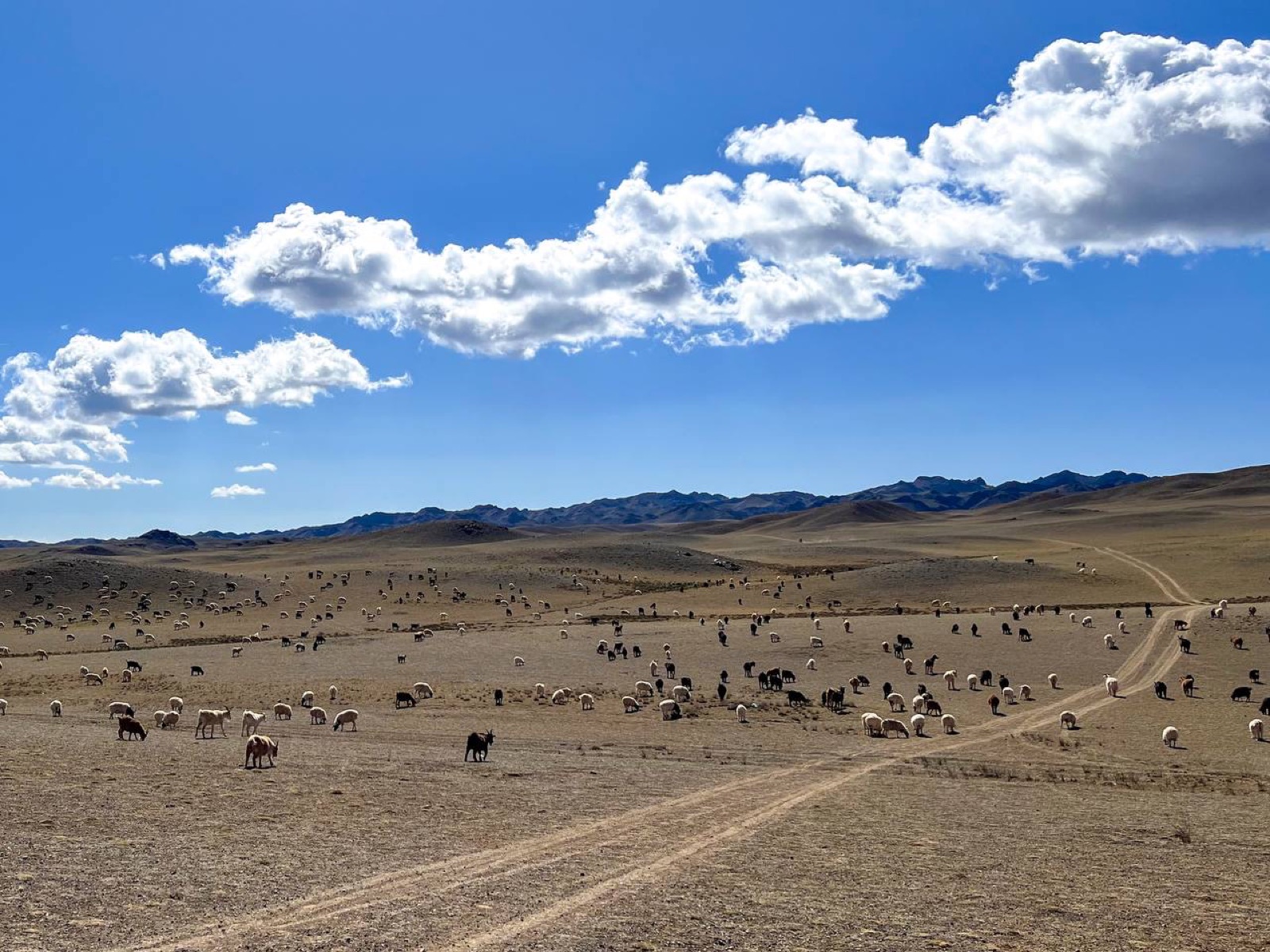
Beyond the main highways, almost everything is dirt track. There are usually several parallel tracks across the steppe, no signs, and rivers to ford. Speeds average 30 to 50 km an hour. After rain, tracks turn to mud and rivers rise.
This is why:
- A journey of 200 km can take five or six hours.
- Drivers matter more than vehicles. A good driver knows the tracks, the river crossings and how to fix anything.
- Itineraries need flexibility.
Vehicles
- Japanese 4x4s. Toyota Land Cruisers and similar. Comfortable, air-conditioned, usually three passengers plus a guide. Used on most mid-range and comfort tours.
- Vans. Mitsubishi Delica or Hyundai Starex, common for small groups of four to six.
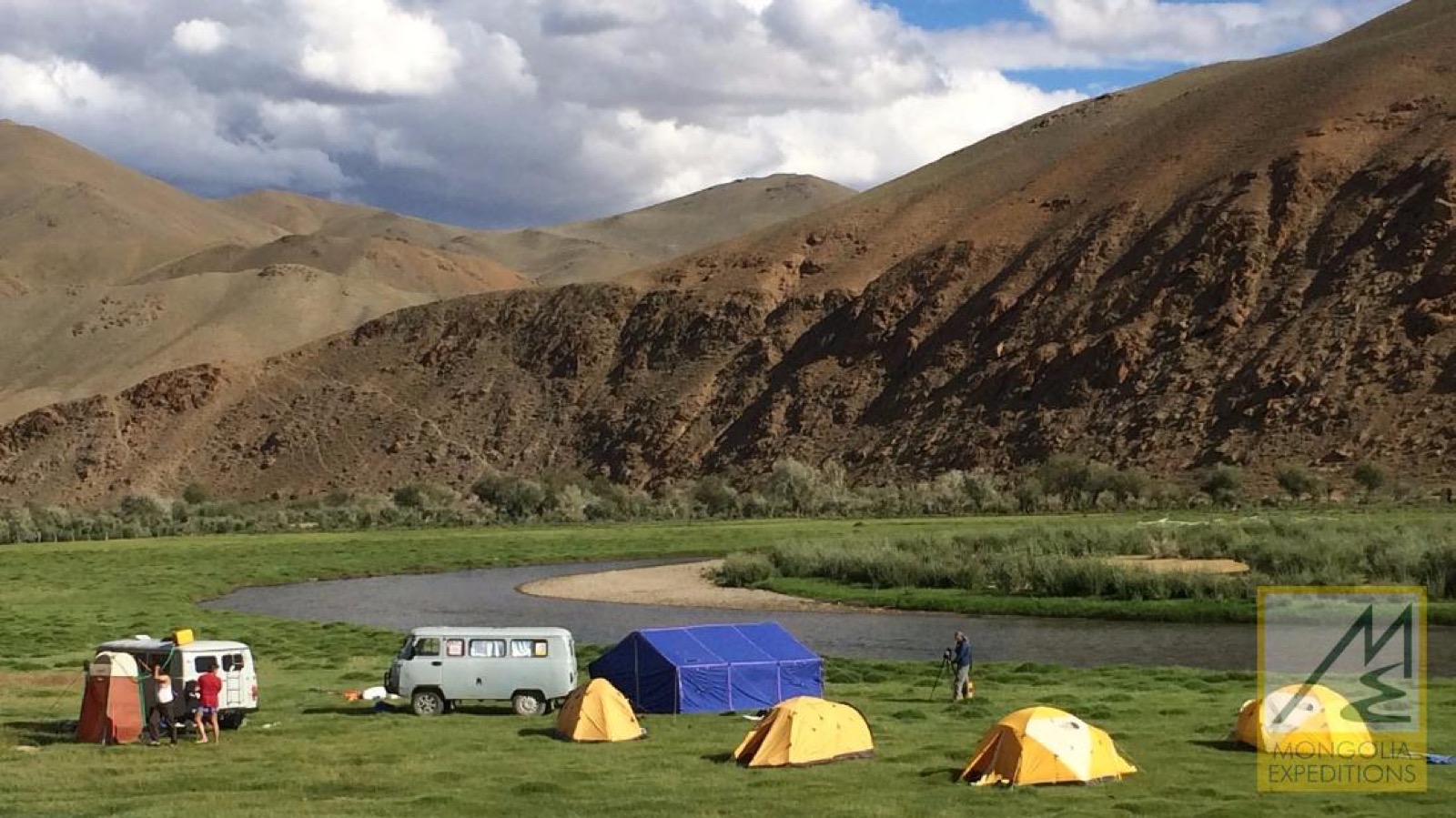
- The UAZ van. The grey Russian "furgon", shaped like a loaf of bread. Slow, noisy, without air conditioning, and almost unstoppable off road. Used on budget tours and in the roughest regions. Some travellers love it. Those with bad backs do not.
- Seat belts are often missing in the back of older vehicles. Ask your operator.
Self-driving is possible, with 4x4 rental available in Ulaanbaatar, but it suits only experienced off-road drivers with good navigation, recovery equipment and time. There are no road signs, few fuel stations and little phone coverage.
Domestic flights
Flights from Ulaanbaatar save days of driving to the far corners:
| To | Region | Flight time |
|---|---|---|
| Dalanzadgad | Gobi | about 1.5 hours |
| Murun | Khuvsgul | about 1.5 hours |
| Ulgii | Altai, far west | about 3 hours |
| Khovd, Ulaangom | West | about 3 hours |
Things to know:
- Luggage limits are low, often 15 kg checked plus a small cabin bag, with fees for excess. Pack in a soft bag.
- Schedules are thinner outside summer and can change at short notice.
- Weather delays happen, especially in the west. Keep a spare day before your international flight.
- Seats sell out in July and around the eagle festival.
Public transport
Buses run from Ulaanbaatar to every provincial capital, and shared minivans and jeeps go onwards from there. They are cheap, crowded and slow, and they take you to towns, not to the places you came to see. From a provincial capital you would still need to hire a jeep and driver. Independent travel this way is possible with time, patience and some Mongolian or Russian. See group tour, private trip or independent travel.
In Ulaanbaatar
The centre is walkable. Taxis are cheap, and ride-hailing apps are the easiest way to get a fair price. Traffic is very heavy at rush hour. There is no metro.
Motion sickness and comfort
If you get car sick, bring medication and ask for a front seat. A neck pillow, a scarf against dust and downloaded music or podcasts make long driving days much easier. For how long those days really are, see how many days you need.