Internet, SIM cards and electricity in Mongolia
Where you will have signal in Mongolia and where you will not, how to get a local SIM, and how to keep your devices charged in the countryside.
3 min read · Updated
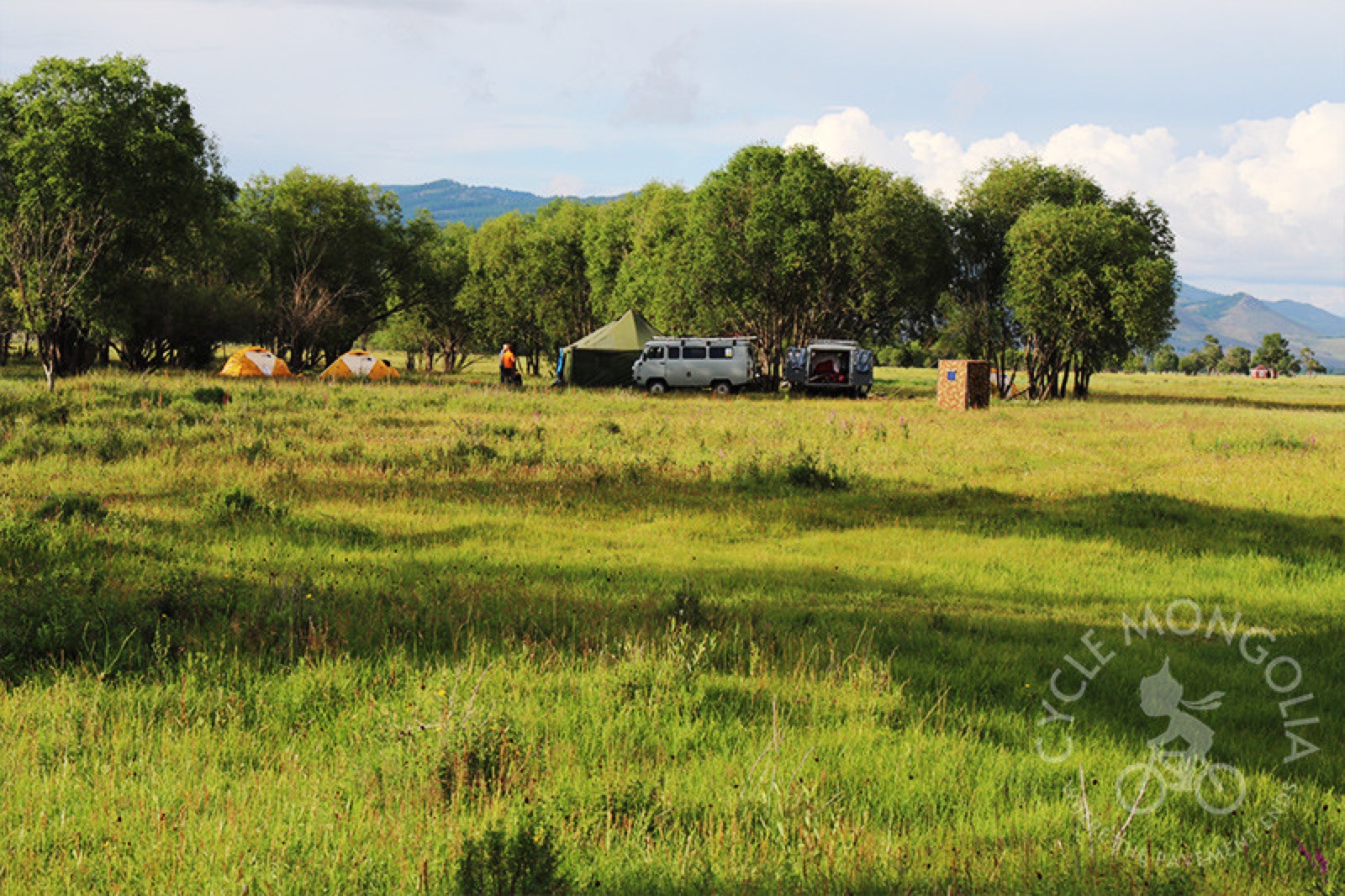
The short version: Ulaanbaatar is as connected as any modern city, and most of the countryside is not connected at all. Plan to be offline for much of your trip, tell people at home before you go, and you may find it is one of the things you enjoy most.
Coverage
- Ulaanbaatar: fast 4G and 5G mobile data everywhere, and free Wi-Fi in hotels, cafes and restaurants.
- Provincial capitals and district centres: good 4G in town.
- Along main paved roads: patchy signal, coming and going.
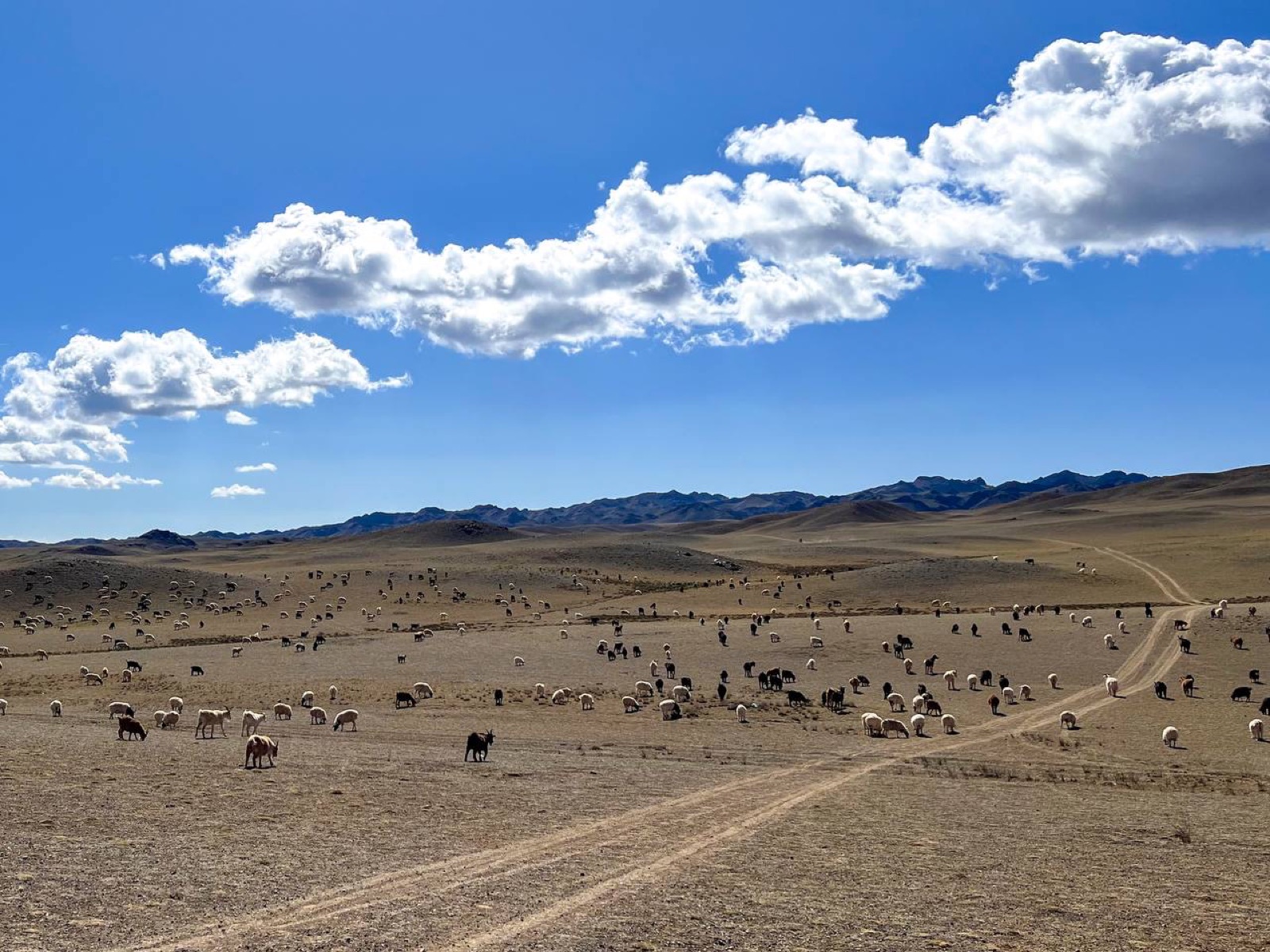
- Everywhere else: nothing. In the Gobi, the mountains and the open steppe you can drive for hours with no signal.
Mongolia has more than 300 district centres (sum), each a small town with a mobile tower. A typical touring day passes through one or two, so you often get a few minutes of signal at a fuel stop, enough to send messages.
Ger camps sometimes advertise Wi-Fi. It is usually slow, works only near the restaurant ger, and runs only when the generator is on. Do not rely on it for work calls.
Getting a SIM card
A local SIM is cheap and simple, and far better value than roaming.
- Operators: Mobicom, Unitel, Skytel and G-Mobile. Mobicom and Unitel have the widest countryside coverage. Which is stronger varies by region, and your guide will know.
- Where to buy: at the airport on arrival, or at the operators' shops in central Ulaanbaatar. Bring your passport.
- What to buy: a tourist or prepaid data package. Even a generous one costs only a few dollars.
- eSIM: international eSIM providers sell Mongolia packages that work on the local networks. Convenient if your phone supports it, usually a little dearer than a local SIM.
Make sure your phone is unlocked before you leave home.
Before you leave the city
- Download offline maps of the regions you will visit. Apps with offline maps show your GPS position without any signal, which is satisfying on a long drive.
- Download a translation app's Mongolian language pack for offline use.
- Download books, music, podcasts and films.
- Send your itinerary to someone at home, with your operator's phone number. Explain that no news for several days is normal.
- Back up your photos when you pass through a town with good signal, or carry a spare memory card.
Staying reachable in an emergency
If someone at home needs to reach you urgently, the reliable route is through your tour operator's office in Ulaanbaatar, which can contact your guide. Guides and drivers know where the next signal is, and many trips into truly remote areas carry a satellite phone or messenger.
If being reachable every day matters to you, for work or family reasons, tell your advisor before you choose a trip. Some routes have far better coverage than others.
Electricity
Mongolia uses 220 volts, 50 Hz, with European-style two-pin round plugs (types C and E). Travellers from the UK, North America, Australia and elsewhere need an adapter.
Where you can charge:
- Hotels in Ulaanbaatar: normal sockets, reliable power.
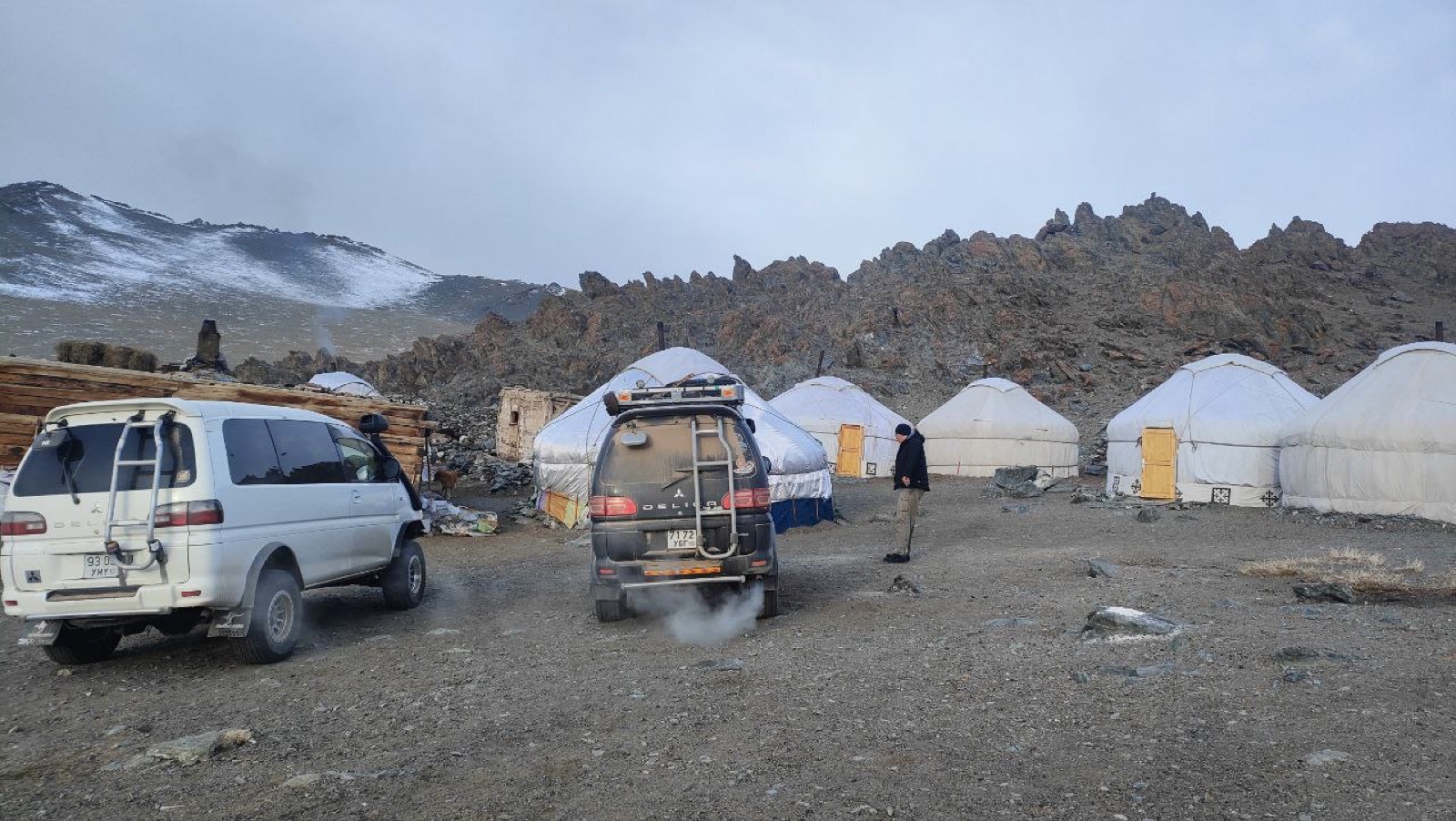
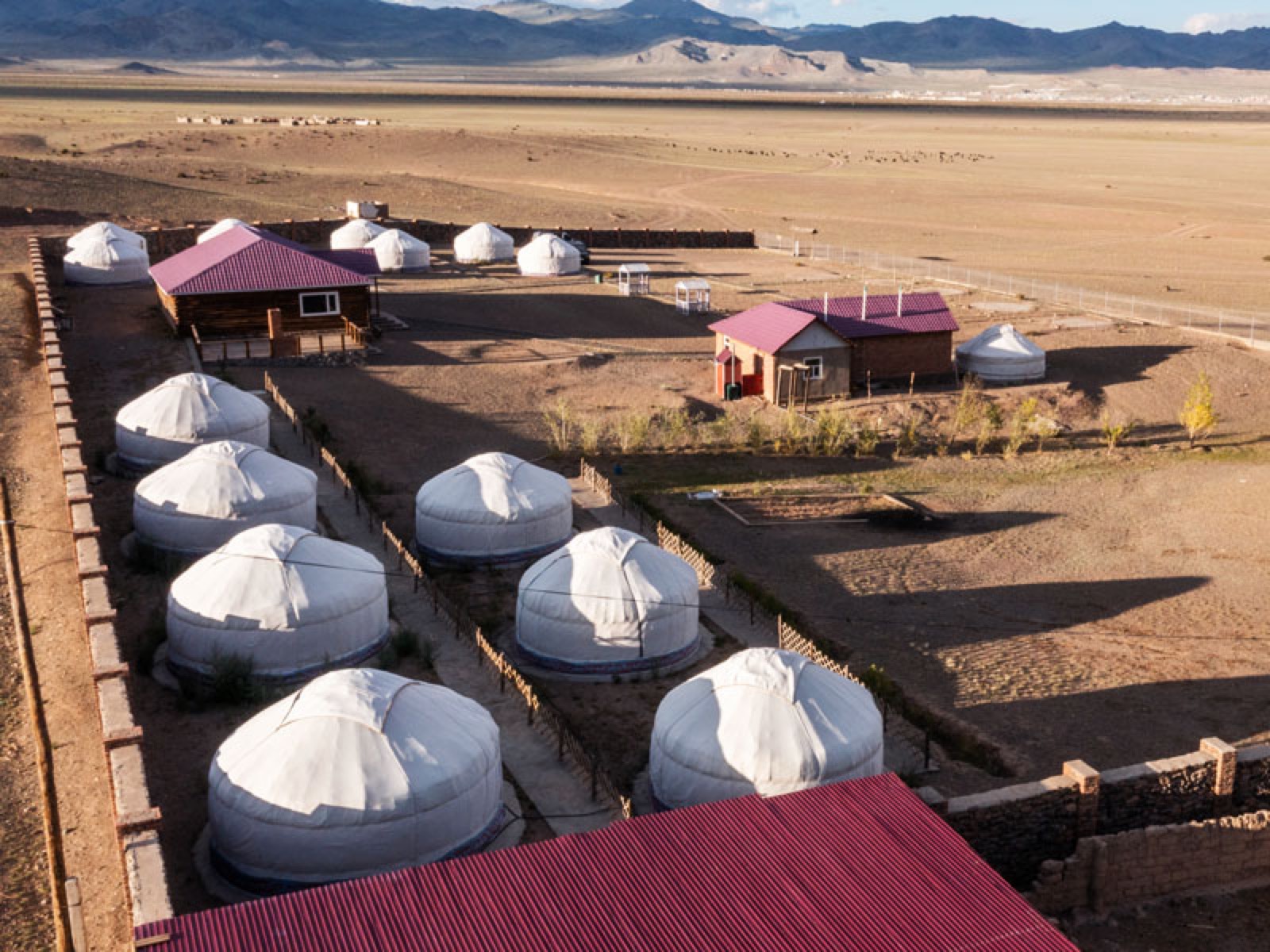
- Tourist ger camps: usually a socket in each ger or a shared charging point in the restaurant ger. Many camps run on generators or solar power and have electricity only for a few hours in the evening.
- Family gers: most have a small solar panel and a car battery, enough for a light, a phone and the television. Ask before plugging in, and do not expect to charge a laptop.
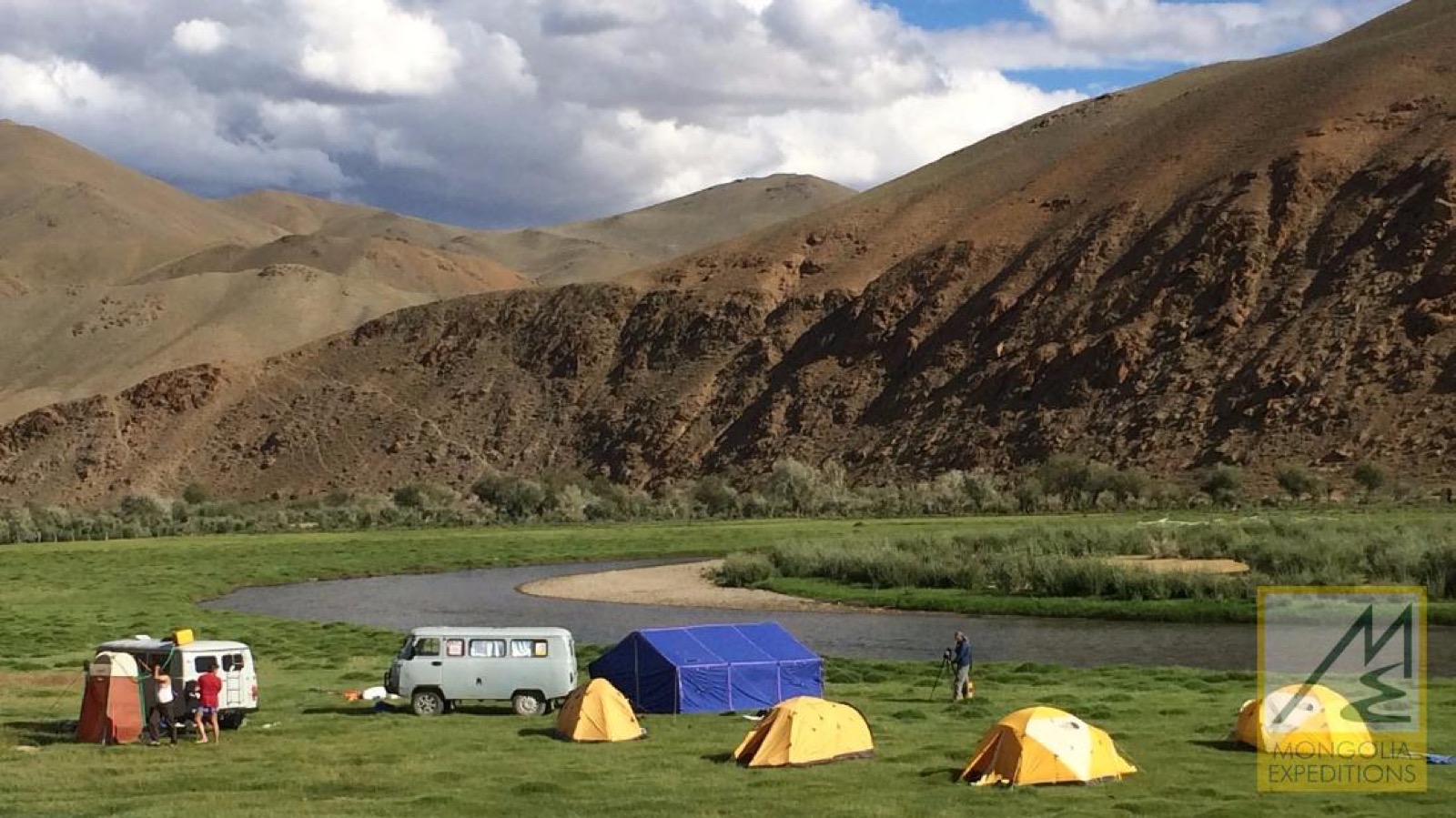
- Tents and trekking: nothing, unless you bring it.
- In the vehicle: most have a USB port or a 12-volt socket. Bring a car charger. This is often your most reliable power source.
What to bring
- A power bank of at least 10,000 mAh. Photographers and heavy phone users should bring 20,000 or two smaller ones. Power banks must travel in hand luggage on flights.
- A plug adapter and a small multi-port USB charger, so that one socket charges everything.
- A USB car charger.
- Spare camera batteries.
- A head torch, which also saves your phone battery.
In cold weather, batteries drain very quickly. Keep your phone and spares in an inside pocket. See what to pack for Mongolia and stargazing and photography.
Time zone
Most of Mongolia, including Ulaanbaatar, is on UTC+8, the same as Beijing, Singapore and Perth. The three westernmost provinces are an hour behind, on UTC+7. Mongolia does not use daylight saving time.