Stargazing and photography in Mongolia
Some of the darkest skies on earth and light that photographers travel for. When and where to go, what to bring, and how to photograph people respectfully.
4 min read · Updated
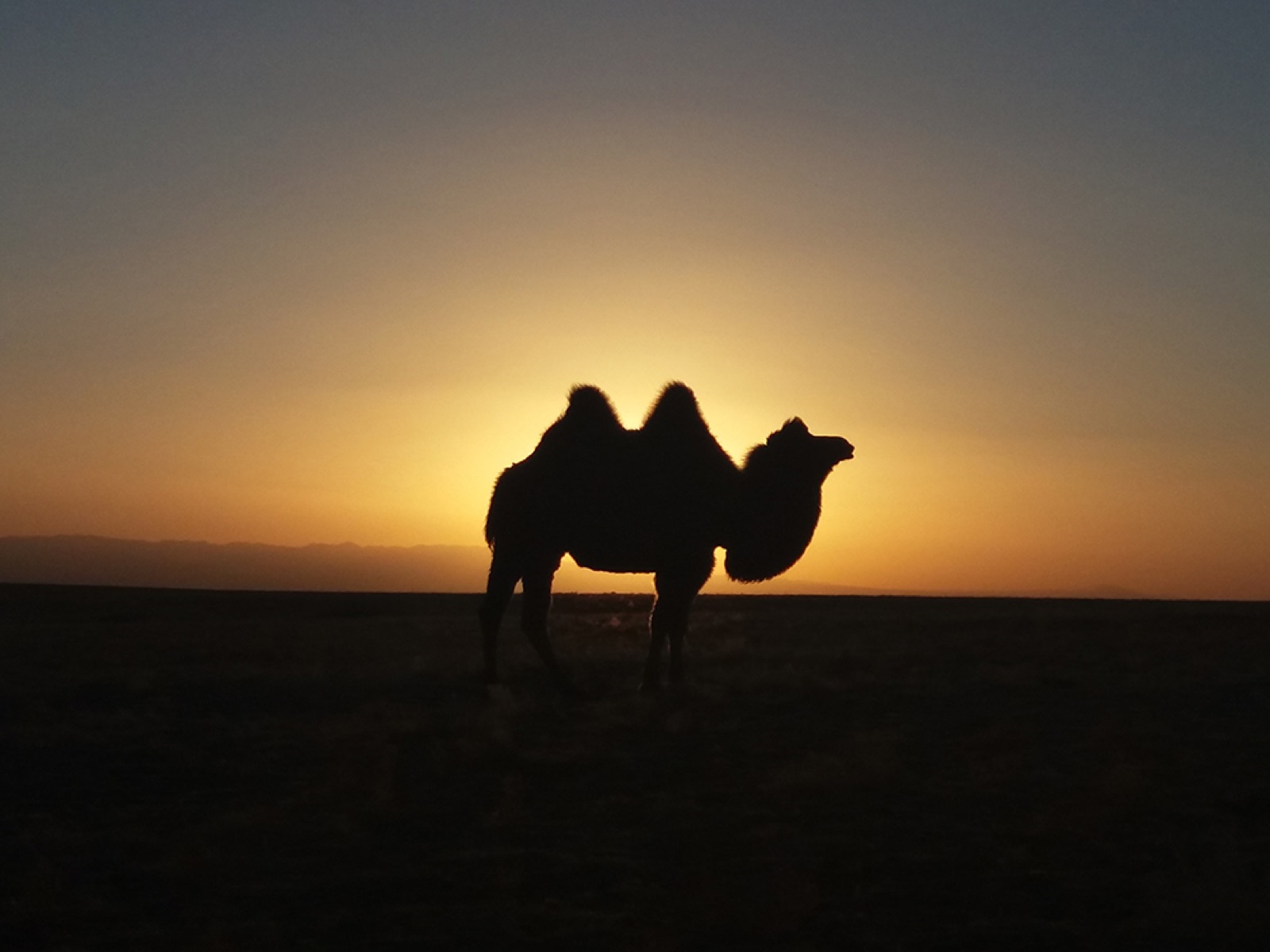
Two things strike almost every visitor to the Mongolian countryside: how big the sky is by day, and how many stars are in it at night. The country is high, dry and nearly empty of artificial light, with more than 250 clear days a year. For photographers and anyone who has never seen the Milky Way properly, this alone can justify the trip.
The night sky
Once you are an hour from Ulaanbaatar there is almost no light pollution. On a moonless night the Milky Way is bright enough to cast a faint glow on the ground, and you can see satellites, shooting stars and the dust lanes of the galaxy with the naked eye.
- Best regions. The Gobi is the classic choice: dry air, flat horizons and the fewest clouds. The western mountains and the eastern steppe are just as dark.
- Best months. In June and early July the nights are short and never fully dark in the north. From mid August to October nights are longer and darker, and the core of the Milky Way is well placed in the evening.
- Watch the moon. A full moon washes out the stars. If stargazing matters to you, plan the Gobi part of your trip around the new moon.
- Meteor showers. The Perseids peak around 12 August and are excellent from the steppe.
- Dress for it. Desert nights are cold even in summer. Bring a warm jacket and a head torch with a red light setting, which protects your night vision.
Ger camps run generators for a few hours in the evening and then switch them off. Walk a hundred metres from camp and you are in complete darkness.
Light and landscape
The air is clear, the horizon is low, and the light in the hour after sunrise and before sunset is long, warm and directional. Midday light is harsh and flat, so photographers on tour often rest at noon and work at the ends of the day.
Subjects that reward the effort:
- Dunes at Khongoryn Els in late afternoon, when ridges cast sharp shadows
- The Flaming Cliffs at sunset
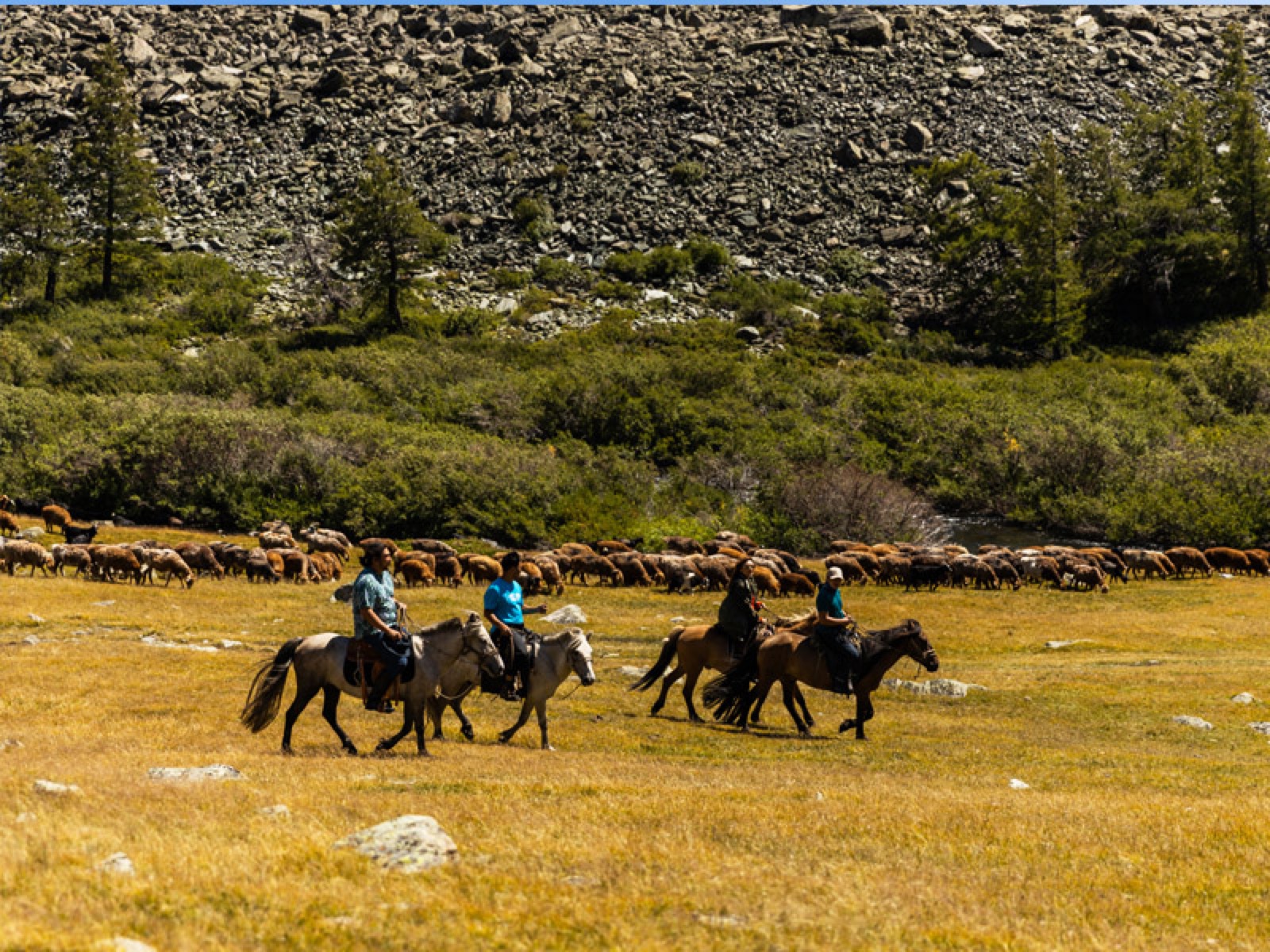
- Herds on the move, with dust and backlight
- Gers at dusk, lit from inside, under the first stars
- Larch forest in September around Khuvsgul and in the Altai
- Winter: frost, breath, smoke and low sun all day
Photographing people
Mongolians are, in general, relaxed and generous about being photographed, and some of your best pictures will be of people. A few principles:
- Ask first. A smile and a gesture with the camera is enough. Accept a no.
- Spend time before you shoot. Drink the tea, sit down, talk through your guide. The pictures get better and the visit stays a visit.
- Be careful with children, and ask a parent.
- Do not photograph inside temples unless it is clearly allowed. Many monasteries charge a camera fee, and some forbid photography in the main halls.
- Show people their picture, and send prints if you promise to. Your guide can deliver them later. Families treasure them.
- At festivals, do not block others or walk into the arena. At eagle festivals the birds are working animals: keep your distance unless invited.
Drones
Drones are widely used by visitors, but rules exist and change. They must not be flown near airports, border zones, government and military sites or over crowds, and national parks and festivals may restrict or ban them. Larger drones need registration. Ask your operator for the current rules before you bring one, and never fly near livestock or eagles, which can panic.
Equipment and practicalities
- Dust is the enemy. Fine dust gets into everything in the Gobi. Bring a blower, lens cloths and sealable bags, and avoid changing lenses outdoors in wind.
- Power is limited. Ger camps have electricity for a few hours a day, family gers often only a small solar panel. Bring spare batteries and a power bank, and charge in the vehicle. See internet and phones.
- Cold drains batteries. In autumn and winter, keep spares inside your jacket.
- Lenses. A wide angle for sky and landscape, and a telephoto of 200 mm or more for wildlife and festivals. A fast wide lens (f/2.8 or faster) and a tripod for the stars.
- Phones now take good night-sky pictures on a small tripod with night mode.
- Storage. Bring more memory cards than you think you need. There is nowhere to buy them outside the capital.
Photography tours
A general tour moves on a schedule that suits sightseeing: you are often driving at sunrise and eating at sunset. A photography departure is planned the other way around, with stays of two nights and outings at dawn and dusk. If photography is your main reason for coming, choose one of those, or ask an advisor which departures are paced for it.