Horse riding in Mongolia: what riders and beginners should know
Mongolian horses, saddles and riding style, the best regions for a horse trek, and an honest word on safety for beginners.
3 min read · Updated
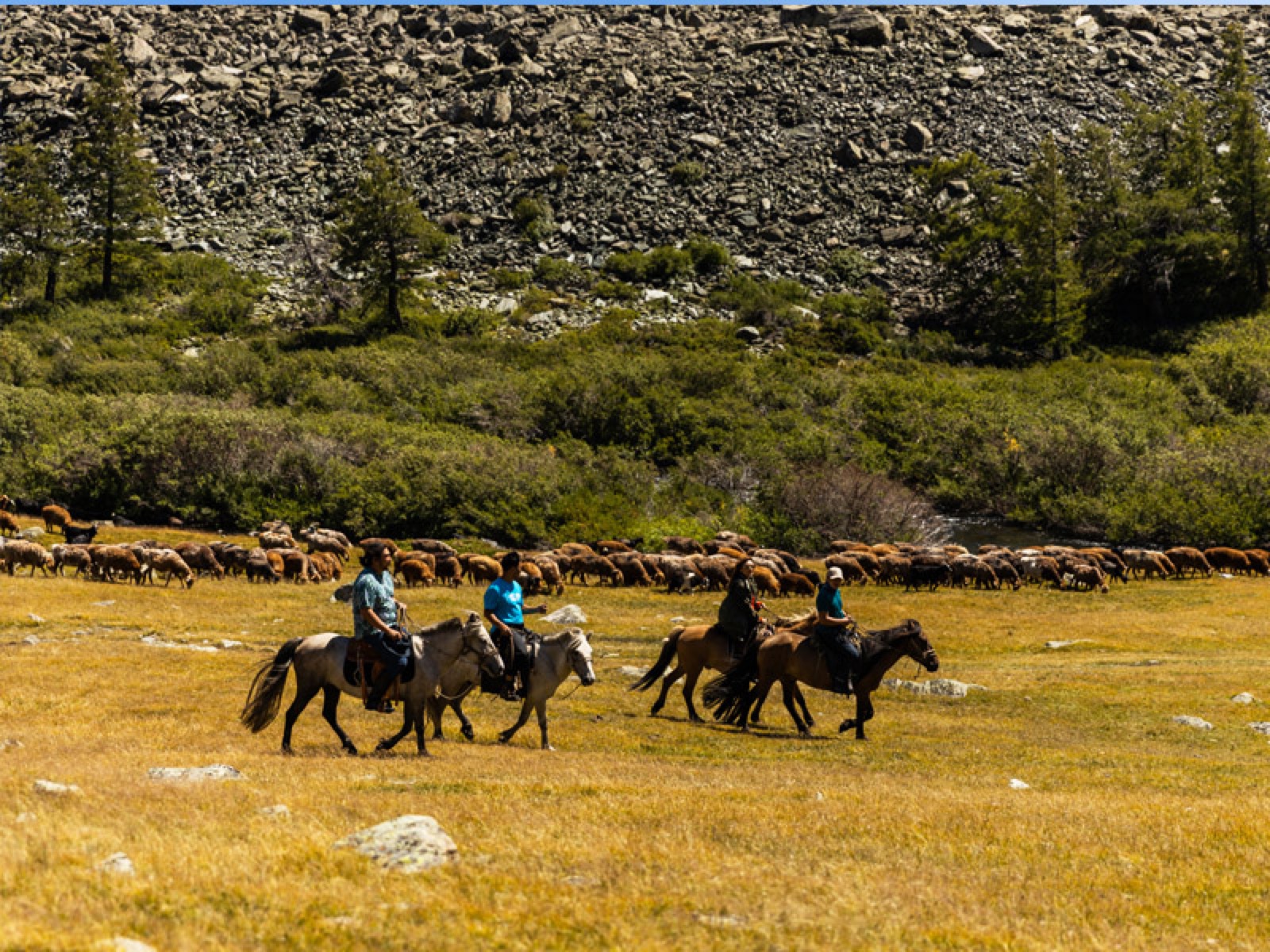
Mongolia has more horses than people, and children here learn to ride before they start school. Riding across open steppe with no fences and no roads is one of the great experiences the country offers. It is also different from riding at home, and it is worth understanding how before you get on.
The Mongolian horse
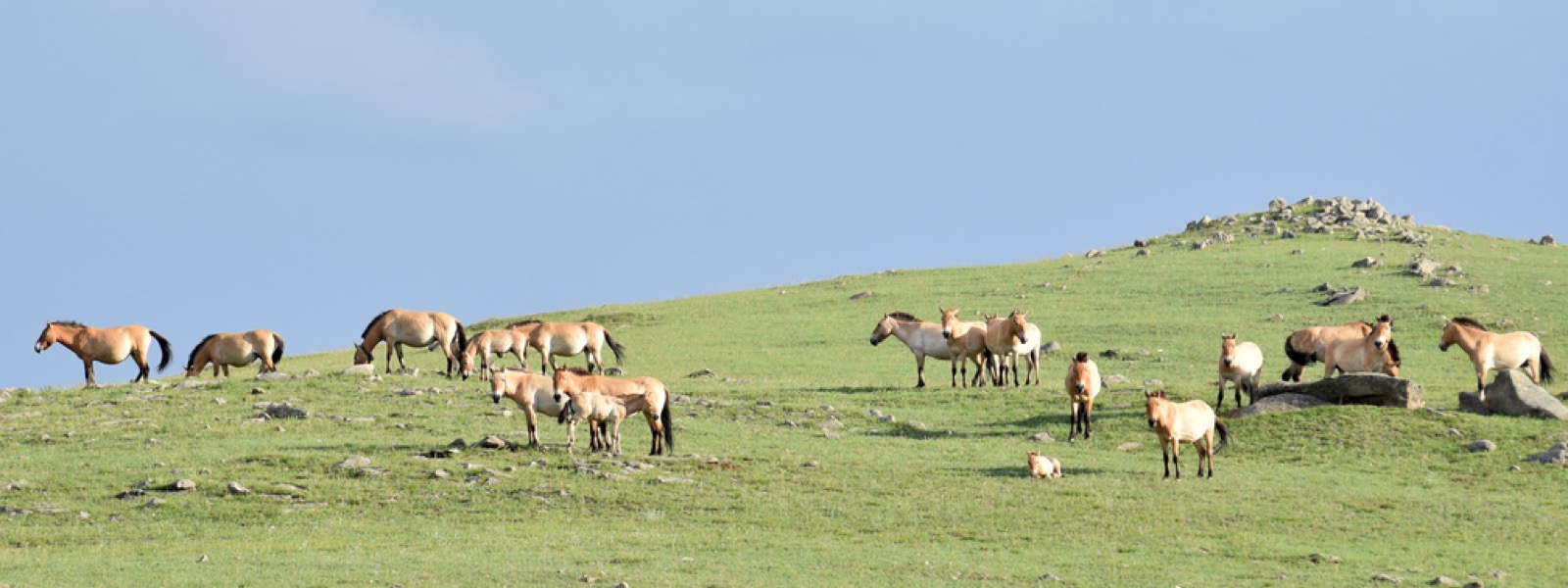
Mongolian horses are small, usually 12 to 14 hands, which in other countries would make them ponies. Do not say so to a herder. They are extremely tough, live outdoors all year in temperatures from plus 30 to minus 40°C, and find their own food.
They are also half wild. Horses live in free-ranging herds and are caught and ridden when needed. They are not pets, are not used to being patted or fed by hand, and can be nervous of unfamiliar things: a flapping raincoat, a camera bag, someone approaching from the wrong side.
How riding is different here
- Mount from the left, always. Approach from the left front, where the horse can see you.
- Reins in one hand, held short. Horses are neck-reined, not steered with two hands.
- "Chu!" means go. A firm "chu" and a tap is the accelerator. To slow down, pull back steadily and say "trrr".
- Saddles. The traditional Mongolian saddle is wooden, high at front and back, and hard on anyone not raised on it. Operators who work with visitors provide padded Russian-style or western saddles. Stirrups are short.
- Gaits. Horses here have a fast, bumpy trot that herders ride standing in the stirrups. Much of a trekking day is at a walk.
- Do not wear or carry anything that flaps or rustles. Take a jacket off only after you dismount.
Where to ride
- Khuvsgul Lake. Forest, lakeshore and mountain meadows. Good for treks of three to seven days with pack horses. See Khuvsgul Lake.
- The Orkhon Valley and Arkhangai. Classic green steppe and river valleys, with the Naiman Nuur (Eight Lakes) area reachable only on horseback or on foot. See central Mongolia.
- Terelj and Khan Khentii. Close to Ulaanbaatar. Anything from an hour's ride to a wilderness expedition of a week or more.
- The Altai. Riding between high lakes and glaciers, with Kazakh horsemen. See the Altai.
- The taiga. Riding is the only way to reach the reindeer herders. The ground is boggy and the days are long.
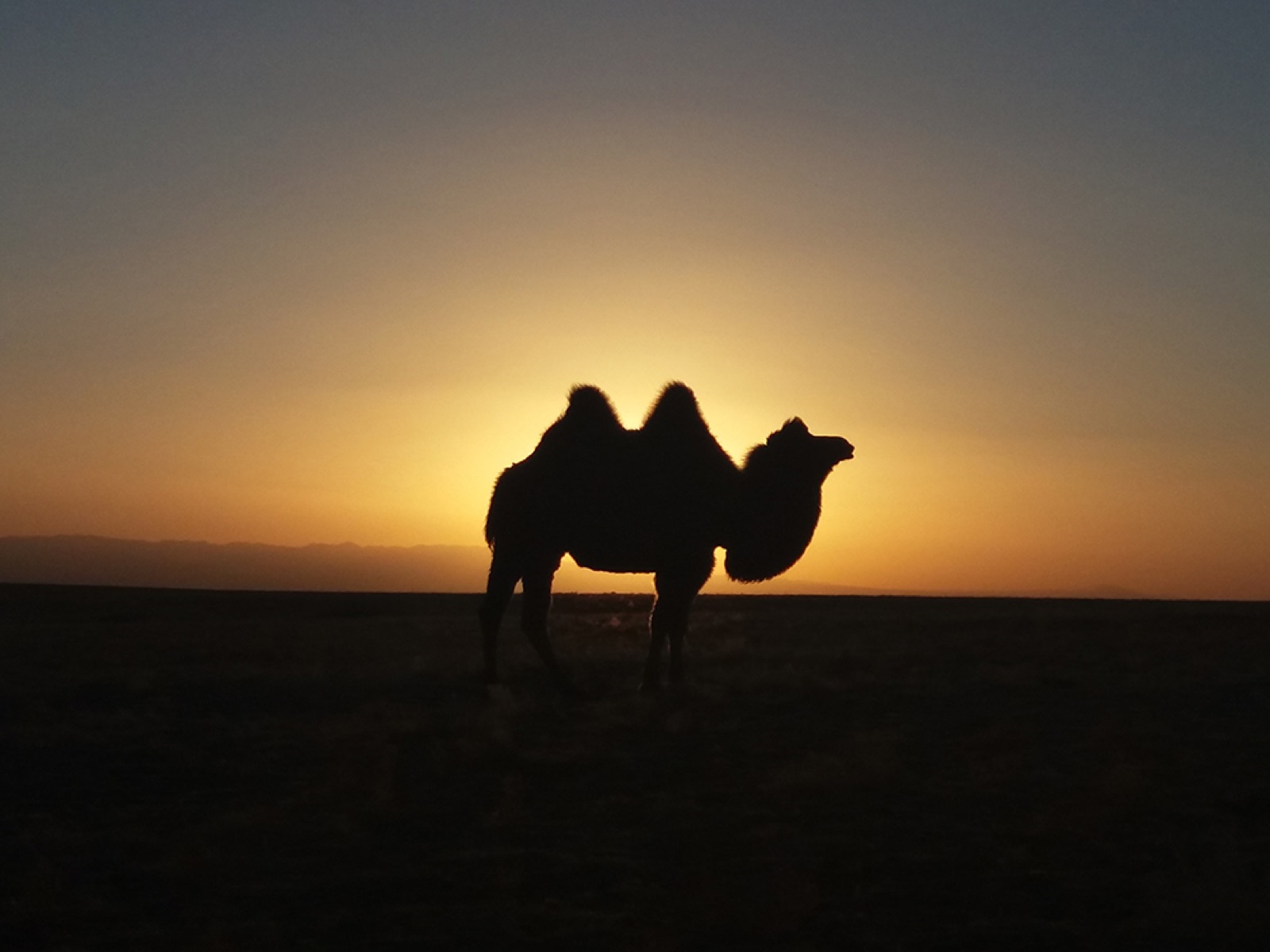
- The Gobi is camel country. Horses are used less in the south.
For beginners
You can ride in Mongolia with no experience. Many departures include an hour or two on a quiet horse, led by a herder on a rope, and for most people it is a highlight.
Be honest with yourself and your operator about three things:
- An hour is not a trek. A multi-day horse trek means five to six hours in the saddle each day. If you have never ridden, your knees and seat will suffer by day two. Take some lessons at home first.
- Tell the truth about your level. Horsemen choose your horse by what you say. Claiming experience you do not have gets you a livelier horse.
- Weight limits apply. Because the horses are small, most operators set a limit of around 90 to 95 kg.
Safety
Riding is the activity where travellers in Mongolia are most often hurt, and medical help is far away.
- Wear a helmet. Local riders do not, and few operators have good ones to lend. Bring your own. It is the single most useful thing you can pack for a riding trip.
- Wear long trousers and boots with a small heel. Half chaps or long socks prevent rubbing.
- Make sure your travel insurance covers horse riding and emergency evacuation. Many standard policies exclude it. See health and safety.
- Listen to the horseman. He knows each animal.
When to go
June to September. Horses are thin and weak after winter and should not be worked hard before June. July and August are the best months, with good grass and long days.
See the scheduled departures for riding trips, where each one states its difficulty, or ask an advisor which trek matches your experience.