Hiking and trekking in Mongolia
Where to walk in Mongolia, from easy day hikes in the Gobi and Terelj to multi-day treks in the Altai, and how trekking here differs from other countries.
3 min read · Updated
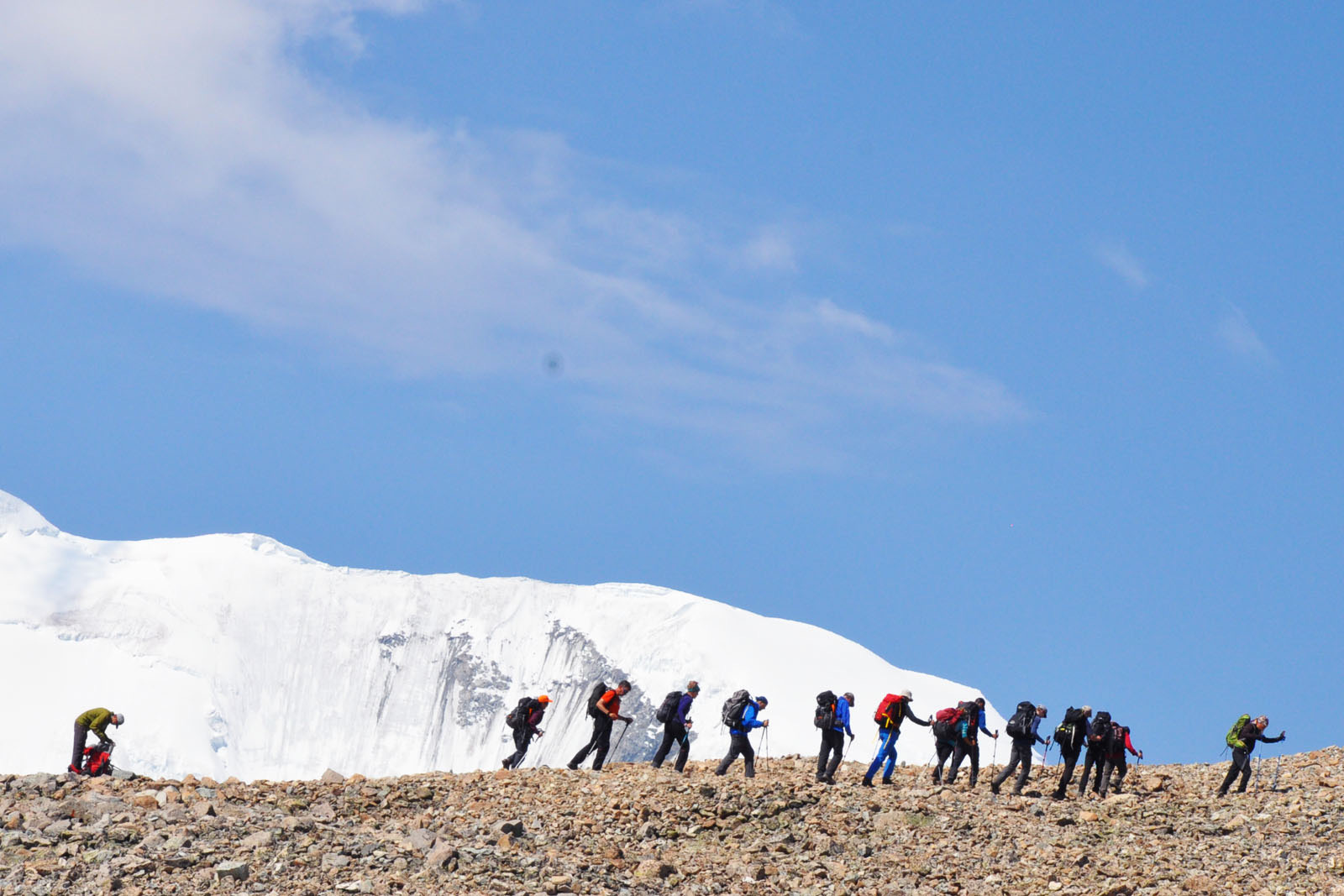
Mongolia is superb walking country with almost no walking infrastructure. There are very few marked trails, no mountain huts, no signposts and, outside a handful of places, no other hikers. You walk across open land, following valleys and ridges, with herders' camps as the only landmarks. For people used to the Alps or Nepal, that freedom is the attraction and the challenge.
How trekking works here
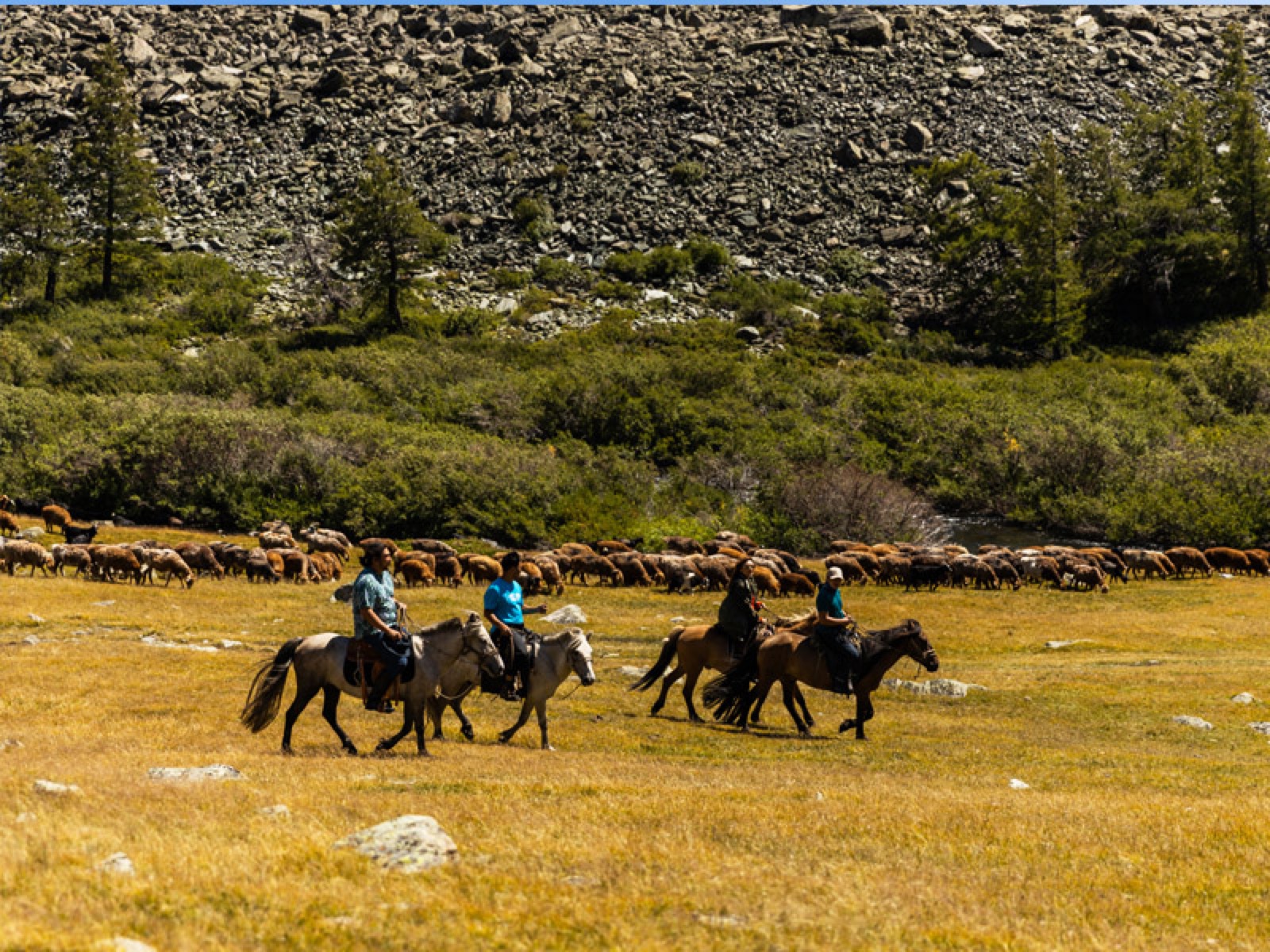
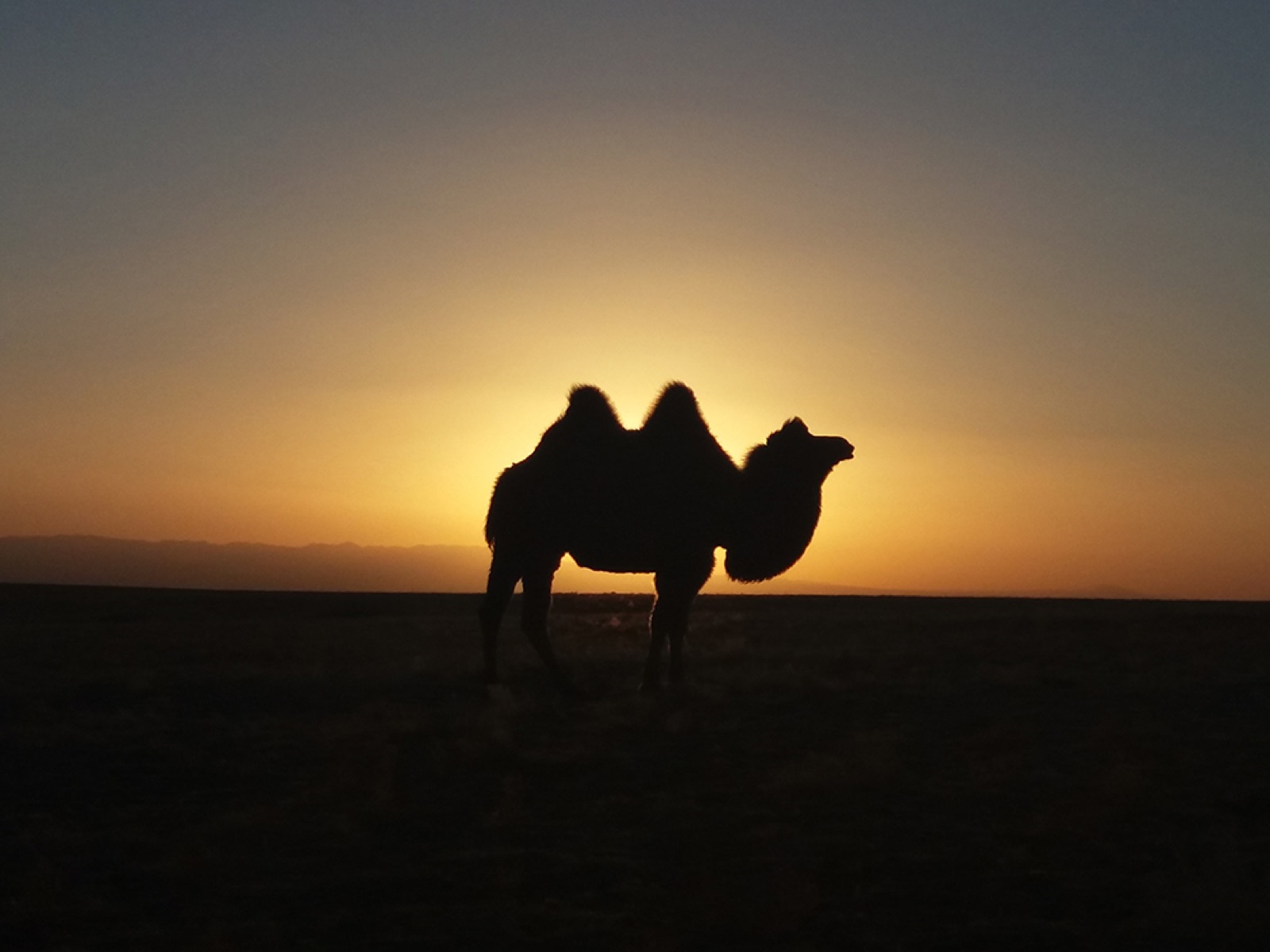
Nearly all multi-day treks are supported. Your bags, tents and food travel on pack horses, camels or yaks, or in a vehicle that meets you each evening, and you carry only a day pack. A local guide walks with you, and a cook prepares meals at camp.
Independent trekking is possible for experienced, self-sufficient walkers, but navigation is by GPS and map across unmarked ground, river crossings can be serious after rain, and there is often no phone signal. It is not a place to learn wilderness skills.
Easy walks and day hikes
Most general tours include several short walks that need no special fitness:
- Yolyn Am in the Gobi: a flat walk of one to two hours through a narrow gorge, with ice in early summer.
- Khongoryn Els: a steep, sandy climb of about an hour to the crest of the dunes.
- Khorgo volcano: a short climb to the rim of an extinct crater in Arkhangai.
- Tuvkhun Monastery: an hour uphill through forest in the Orkhon Valley.
- Terelj National Park: walks among granite rock formations and up to Aryabal temple, an hour and a half from Ulaanbaatar.
- Bogd Khan Uul: the forested mountain on the southern edge of Ulaanbaatar, protected since 1778 and often called one of the oldest nature reserves in the world. A full-day walk leads from Manzushir Monastery over the summit ridge to the city.
Multi-day treks
Altai Tavan Bogd. The finest trekking in Mongolia. A typical route walks for four to six days from Khoton and Khurgan lakes through high valleys to the base camp below the Potanin Glacier, with camels carrying the loads. Fit walkers can add Malchin Peak (about 4,050 m), a long non-technical climb. Camps are at 2,000 to 3,100 metres. See the Altai and western Mongolia.
Khuvsgul Lake. Walks of two to five days along the western shore and over the ridges of the Khoridol Saridag range. Forest, meadows and views over the lake. See Khuvsgul Lake.
Naiman Nuur, the Eight Lakes. A chain of small lakes in a volcanic landscape above the Orkhon Valley, closed to vehicles. Usually a three to four day trek on foot or horseback from the Orkhon waterfall.
Kharkhiraa and Turgen. Two glaciated peaks in Uvs province in the north-west, with a five to seven day trek over a high pass between them. Remote, and rarely visited.
Khan Khentii. Forest and river wilderness north-east of Ulaanbaatar. Trails are faint and boggy, and most people travel here on horseback.
Difficulty
Distances are moderate, usually 12 to 20 km a day. What makes trekking here demanding is:
- No paths. You walk on grass, stones, tussocks and sometimes bog, which is more tiring than a made trail.
- River crossings. Often on foot in cold water. Bring sandals or old trainers for this.
- Weather. In the mountains, expect anything in any month, including snow in July.
- Altitude in the Altai. High enough to notice, not usually high enough to cause serious illness if you take the first days gently.
- Remoteness. Help can be a day or more away.
What to bring
- Worn-in walking boots with ankle support, and sandals for rivers
- Waterproof jacket and trousers
- Warm layers, a hat and gloves, even in July
- A sleeping bag rated to at least minus 5°C for mountain treks (operators often rent them, but check)
- Sun hat, sunglasses and high-factor sunscreen
- Trekking poles, useful on rough ground and in rivers
- Water purification tablets or a filter
- Insect repellent for the north
See what to pack for Mongolia.
When to go
Mid June to mid September. July and August are warmest and wettest. Early September brings stable weather, autumn colour and cold nights. Snow closes the high Altai routes from late September.
Every departure on this site states its difficulty as easy, moderate or demanding. If you are unsure where you fit, an advisor can tell you what each rating means in practice.