Wildlife in Mongolia: what you can realistically see
Wild horses, ibex, gazelles, eagles and the animals you almost certainly will not see. An honest guide to wildlife watching in Mongolia.
3 min read · Updated
Mongolia has remarkable wildlife and very few people, which sounds like a recipe for easy sightings. It is not quite so. The animals are wild in the full sense, spread over enormous areas, and many are shy because they have been hunted. On a general tour you will see a great deal of bird life and livestock, some wild mammals, and with luck one or two of the special ones. A dedicated wildlife trip, with the right guide and plenty of patience, can do much better.
What you are likely to see
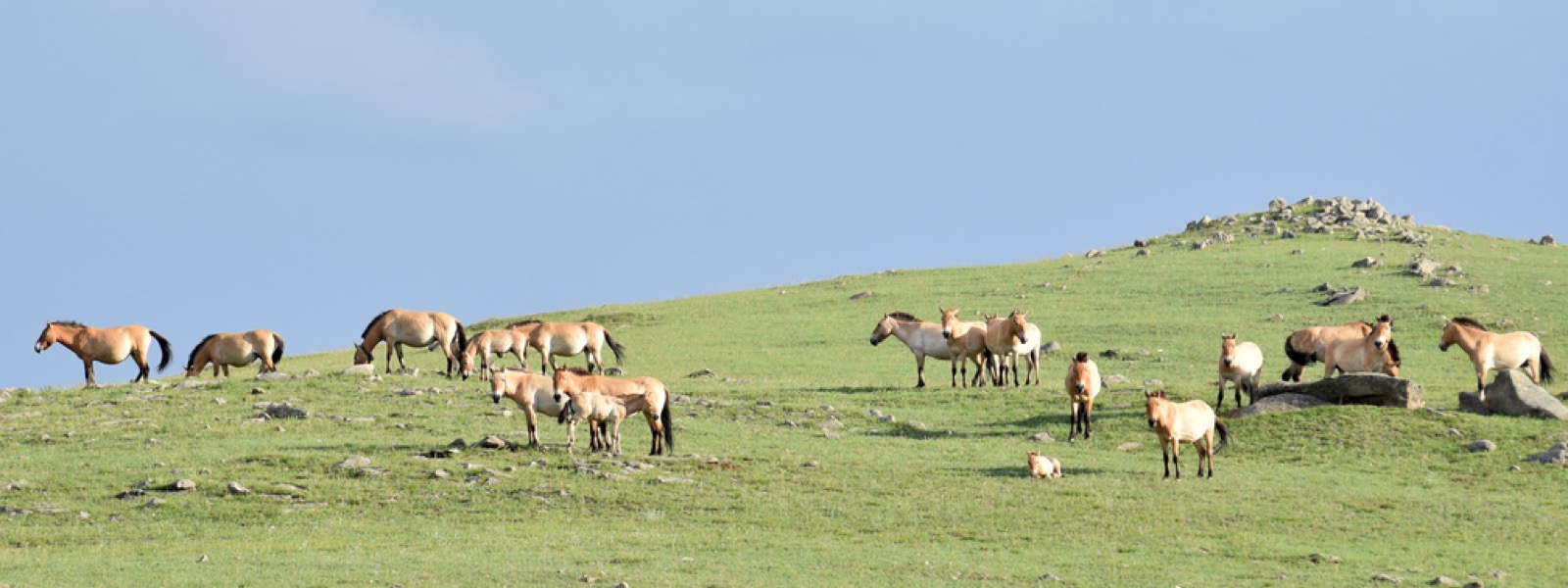
Takhi (Przewalski's horse). The world's last truly wild horse. It died out in the wild in the 1960s and survived only in zoos, until animals were flown back to Mongolia from Europe starting in 1992. Several hundred now live free in Khustai National Park, about 100 km from Ulaanbaatar. Come in the late afternoon, when the herds walk down to the river. This is the one near-certain wildlife sighting in the country.
Birds of prey. Steppe eagles, black kites, upland buzzards, saker falcons and vultures are everywhere, perched on poles and circling overhead. The huge cinereous vulture and the lammergeier (bearded vulture) are common in the Gobi mountains. Yolyn Am, in fact, means "valley of the lammergeier".
Demoiselle cranes. Elegant grey cranes that nest across the steppe in summer, usually seen in pairs beside the road.
Marmots, pikas and ground squirrels. Small, numerous and entertaining. Tarbagan marmots stand upright beside their burrows across the central steppe.
Siberian ibex and argali. Ibex, the wild mountain goats, are regularly seen on the cliffs of Yolyn Am and in the Altai. Argali, the world's largest wild sheep, are harder. The best place is Ikh Nart Nature Reserve in the East Gobi, where both are studied and fairly approachable.
Gazelles. Black-tailed (goitered) gazelles are seen in the Gobi. The Mongolian gazelle lives on the eastern steppe in herds that can number thousands, one of the last great migrations in Asia. See eastern Mongolia.
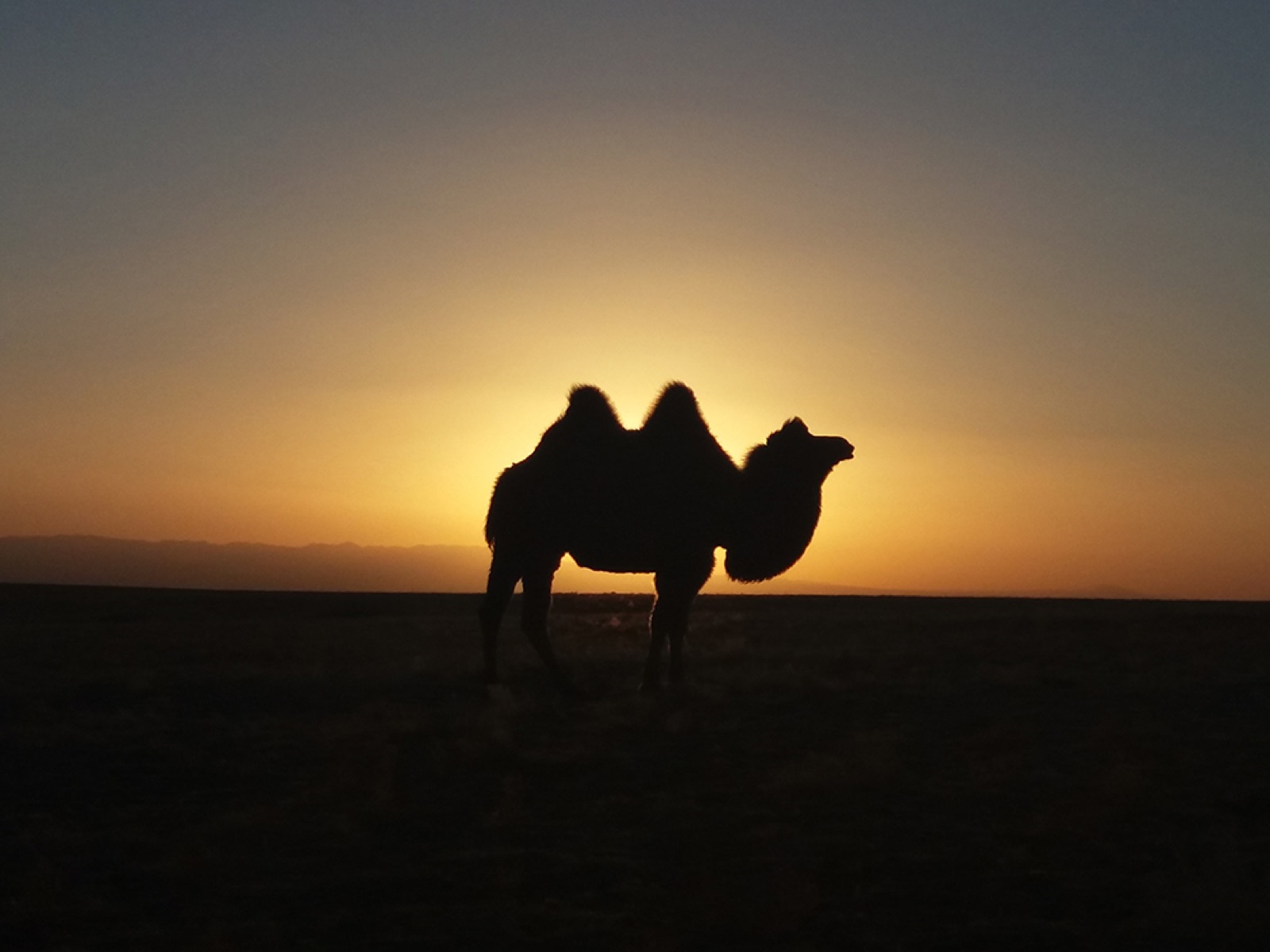
Bactrian camels, yaks and reindeer. You will see plenty, but these are domestic animals. Camels in the Gobi, yaks in the mountains of the centre and west, reindeer only with the Tsaatan in the far north.
What you are unlikely to see
- Snow leopard. Mongolia has the second largest population in the world, in the Altai and Gobi-Altai ranges. Seeing one requires a specialist trip, usually in winter or early spring, with local trackers and many hours behind a telescope. Even then, nothing is promised.
- Wild Bactrian camel. A separate, critically endangered species that survives in the Great Gobi protected area, far from any tourist route.
- Gobi bear (mazaalai). The rarest bear in the world. Only a few dozen survive, in an area closed to general visitors.
- Wolves. Present across the country and heard at night, but seldom seen.
- Saiga antelope. A Mongolian subspecies lives in the western lake basin and can sometimes be seen on dedicated trips.
- Pallas's cat (manul). A small, flat-faced wild cat of the steppe, found by specialist guides in the east and centre.
Fish
Mongolia's northern rivers hold taimen, the largest member of the salmon family, which can grow well over a metre long. Fishing for taimen is strictly catch and release, by fly, with special permits, and is run by a small number of licensed operators.
Birdwatching
Around 500 species have been recorded. Mongolia sits on major migration routes, and its lakes fill with waterbirds in late May and early June and again in September. Good sites include Ugii Lake and Khar Us Lake, the Khurkh and Khuiten valleys in Khentii for cranes, including the rare white-naped crane, and the Gobi oases in migration season.
Watching responsibly
- Keep your distance, especially from takhi, which park rules protect with a minimum approach distance.
- Never ask a driver to chase animals in a vehicle. Gazelles and wild asses can run themselves to death.
- Do not buy wildlife products: furs, horns or marmot oil.
- Park fees pay for rangers and research. They are usually included in tour prices.
Planning a wildlife trip
Add Khustai to almost any itinerary. For anything beyond that, such as argali, snow leopards, gazelles or birds, you need a guide who specialises in it, a slower pace and realistic expectations. Talk to an advisor about what is possible in the time you have, or see which departures include wildlife.