Health and safety in Mongolia
Mongolia is a safe country to travel in. The real risks are remoteness, roads and horses. What to prepare, and what insurance you need.
4 min read · Updated
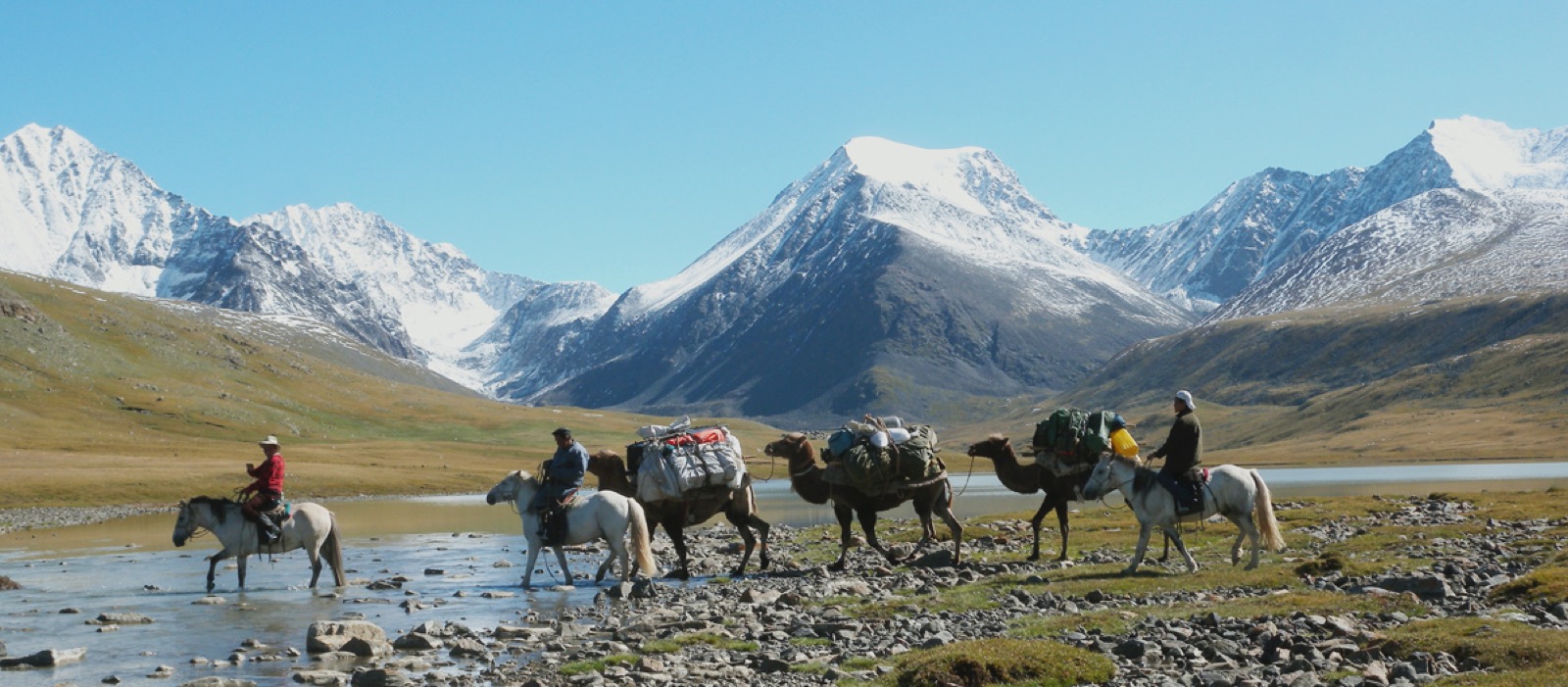
Mongolia is one of the safer countries in Asia for visitors. Violent crime against tourists is rare, there are no dangerous political tensions affecting travellers, and people in the countryside are hospitable to a degree that surprises most guests.
The real risks are not about people. They are about distance. In much of the country the nearest doctor is hours away and the nearest good hospital is in Ulaanbaatar. Preparing for that is most of what "health and safety" means here.
This page is general information from people who live in Mongolia, not medical advice. See a travel clinic or your doctor six to eight weeks before you travel.
Travel insurance
This is the one thing not to skip. Your policy should cover:
- Emergency medical evacuation, including by air from a remote area to Ulaanbaatar and onward to another country if needed. Serious cases are often flown to Seoul or Beijing.
- Every activity you plan to do. Horse riding, camel riding and trekking are excluded by some standard policies.
- The full length of your trip, including delays.
Carry the emergency number and your policy number on paper, and give a copy to your guide.
Medical care
- Ulaanbaatar has private clinics and hospitals with international-standard care for most problems.
- Provincial capitals have hospitals with basic facilities.
- District centres have a small clinic with a doctor or nurse.
- In between, there is nothing.
Bring all the medication you need for the whole trip, and tell your operator in advance about any condition that could need urgent treatment, such as severe allergies, heart problems, diabetes or epilepsy. A good operator plans the route and briefs the guide accordingly.
Vaccinations
There are no vaccinations required for entry for most travellers. Travel clinics usually recommend being up to date with routine vaccines, and often hepatitis A and typhoid. Rabies vaccination is worth discussing with your doctor, because dogs are common, treatment after a bite is not available in the countryside, and a pre-travel course gives you more time to reach care.
Food and water
- Do not drink tap water or river water without treating it. Bottled water is sold everywhere, and tour operators carry large supplies. A filter bottle reduces plastic.
- Food on tours is cooked fresh, and serious stomach illness is uncommon. Go gently with dairy products and airag in the first days.
- Wash or sanitise your hands before eating. This prevents more illness than any other single habit.
Sun, cold and altitude
- Sun. The country is high and the air is clear. Sunburn and dehydration are the most common health problems for visitors. Wear a hat, use sunscreen and drink more water than you feel you need.
- Cold. Nights are cold even in summer, and weather turns fast in the mountains. Always carry a warm layer and a waterproof.
- Altitude. Most of Mongolia lies between 1,000 and 2,000 metres, which causes no problems. In the Altai, camps at around 3,000 metres can bring headaches and poor sleep for a day or two.
Animals
- Dogs. Every herding family keeps guard dogs. Do not approach a ger on foot without calling out, never pet a strange dog, and stay in the vehicle until someone comes out. Any bite needs medical attention quickly because of rabies.
- Horses. Falls from horses are the most common cause of serious injury to tourists. Wear a helmet and be honest about your experience. See horse riding in Mongolia.
- Marmots. Marmots in Mongolia can carry plague. A few human cases occur most years, nearly always among people who hunt or eat them. Do not touch marmots, alive or dead, and do not eat marmot meat.
- Ticks are active in spring and early summer in forest and long grass in the north. Check yourself after walking.
- Snakes are few and rarely seen.
Road safety
Driving is the biggest everyday risk. Long distances, rough tracks, tired drivers and livestock on the road all play a part.
- Choose an operator with experienced drivers and well-kept vehicles.
- Use seat belts where they are fitted, and ask for a vehicle that has them.
- Avoid travelling after dark in the countryside.
- If a driver is going too fast, say so. Good guides will back you up.
In Ulaanbaatar
- Pickpockets work in crowded places: Narantuul market, the State Department Store area, buses and during Naadam. Keep your phone and wallet in a front or inner pocket.
- Traffic does not reliably stop for pedestrians, even at crossings.
- At night, take a taxi through an app instead of walking long distances, and avoid drunk people, who are occasionally aggressive.
- Winter air pollution is severe from November to February.
Women travellers and solo travellers
Mongolia is generally a comfortable country for women travelling alone, and women hold a strong position in Mongolian society. Normal precautions apply in the city at night. In the countryside, travelling with a guide and driver is normal for everyone, male or female, for practical reasons.
Emergency numbers
- Police: 102
- Ambulance: 103
- Fire and rescue: 101, emergency management: 105
Operators may not speak English, and in most of the countryside there is no signal anyway. Your guide and operator are your real emergency service, which is one more reason to choose them with care. An advisor can tell you what we honestly know about each operator.