Mongolian food and drink: what you will eat
Mutton, dumplings, milk tea and fermented mare's milk. A guide to Mongolian food, what tour meals are like, and how vegetarians manage.
3 min read · Updated
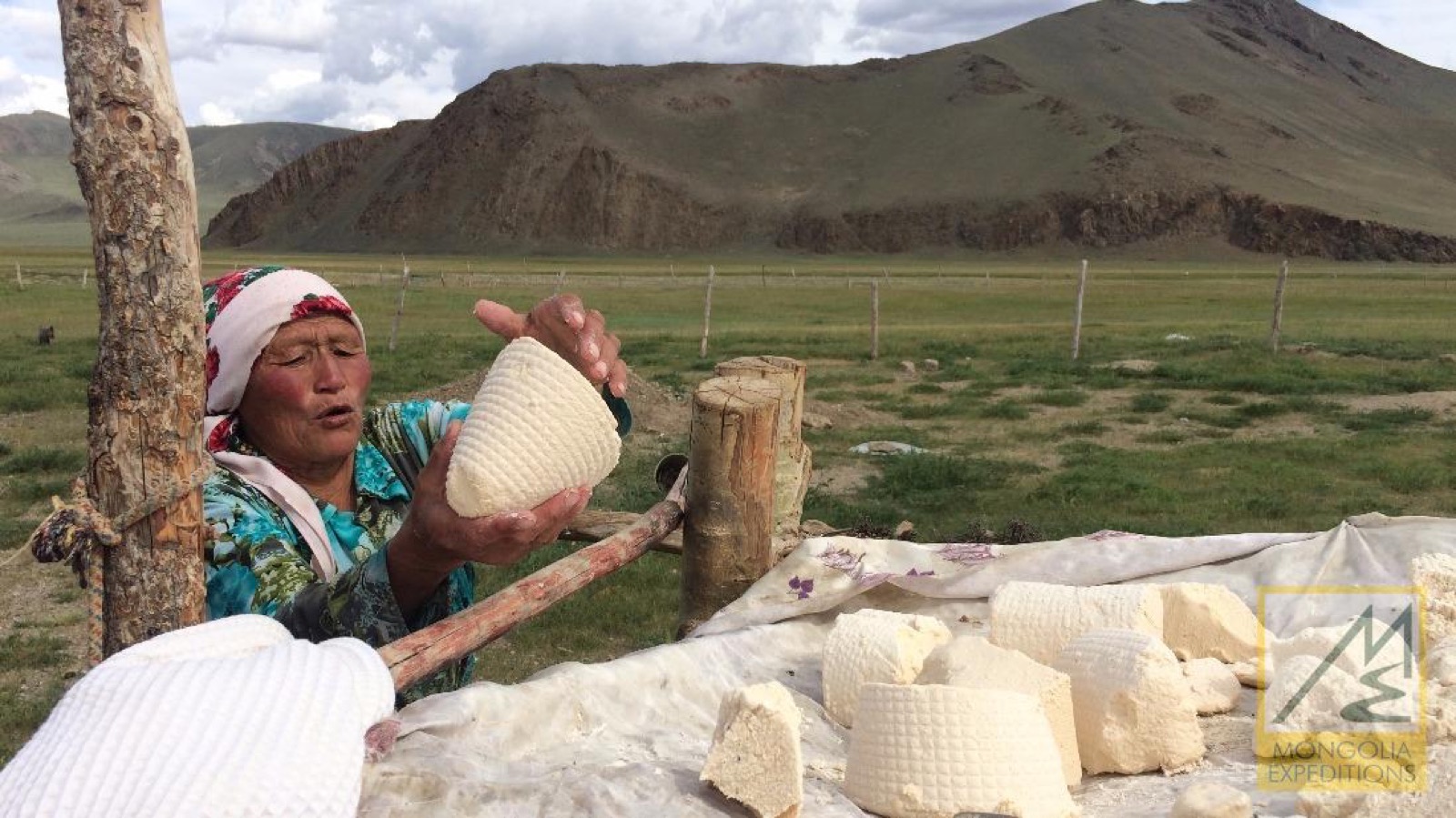
Mongolian food is the food of herders in a cold, dry country where little grows: meat, milk, flour and fat. It is filling, plain and made from animals raised outside the door. Mongolians divide it into "white foods" (dairy, the food of summer) and "red foods" (meat, the food of winter).
It is not a spicy or complicated cuisine, and travellers who expect something like Chinese or Korean food are surprised. Those who arrive curious usually find several things they love.
Dishes you will meet
- Buuz. Steamed dumplings filled with minced mutton or beef, onion and garlic. The national comfort food, eaten in huge numbers at Lunar New Year.
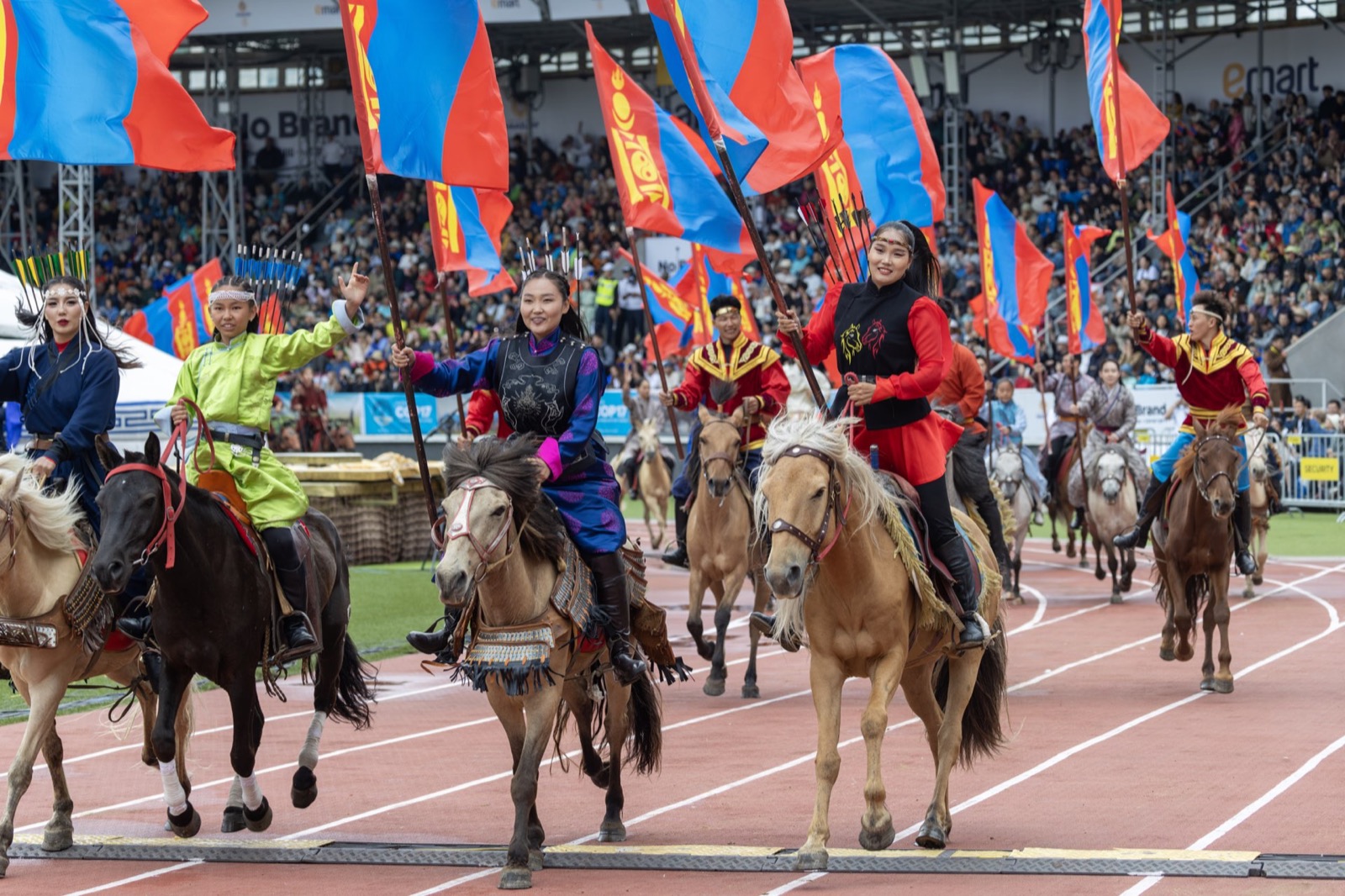
- Khuushuur. A flat, fried pastry filled with minced meat. The taste of Naadam: every festival ground is ringed with tents frying them.
- Tsuivan. Hand-cut noodles steamed and fried with meat and a few vegetables. Many visitors' favourite.
- Guriltai shul. Noodle soup with mutton. Simple and good on a cold evening.
- Bansh. Small boiled dumplings, often served in soup or milk tea.
- Khorkhog. Mutton cooked in a sealed metal container with hot stones from the fire, potatoes and carrots. A dish for guests and celebrations. The hot, greasy stones are passed from hand to hand afterwards, which is said to be good for health.
- Boodog. A marmot or goat cooked from the inside with hot stones. Rare for visitors, and marmot hunting is restricted.
- Borts. Air-dried meat, light and long-lasting, used in soups on the road.
White foods
In summer, every herding family is busy processing milk from cows, yaks, goats, sheep, mares and camels.
- Aaruul. Dried curd, hard and sour, set out on ger roofs to dry. An acquired taste and a good travelling snack.
- Urum. Thick clotted cream, eaten on bread with sugar or jam. Easy to like.
- Byaslag. Mild, unsalted fresh cheese.
- Tarag. Yoghurt, often excellent.
Drinks
- Suutei tsai. Milk tea with salt, the first thing offered in any home. It is closer to a thin soup than to the tea you know.
- Airag. Fermented mare's milk, lightly alcoholic (around 2 to 3 per cent) and sour and fizzy. It is made from late June to September and offered by the bowl. A small amount is fine for most stomachs. A lot, on the first day, is not.
- Shimiin arkhi. A clear spirit distilled from fermented milk, mild and slightly sour.
- Vodka. Common at celebrations. A polite sip is enough.
What you eat on a tour
Tour food is gentler than home cooking. At tourist ger camps expect a set menu: soup, a main course of meat with rice or potatoes and a salad of cabbage, carrot and cucumber, with bread and tea. Breakfast is bread, eggs, jam, sausage and tea or instant coffee. On camping trips a cook travels with the group and meals are often better than at camps.
Fresh fruit and green vegetables are limited once you leave Ulaanbaatar, because nearly all of them are imported or trucked from the capital. Many travellers bring dried fruit, nuts and their preferred coffee.
Vegetarian, vegan and other diets
Being vegetarian in Mongolia is possible on an organised trip and difficult without one.
- In Ulaanbaatar there are vegetarian and vegan restaurants, and international food of every kind.
- On tours, operators can provide vegetarian meals if told in advance. Variety is limited: expect eggs, rice, noodles, potatoes, cabbage and carrots in many forms.
- Vegan and gluten-free diets need more preparation, because dairy and wheat flour are in almost everything. Bringing some of your own staples helps.
- With herder families, meat is usually part of the meal. Your guide can explain your diet, and families are understanding, but they may have little else to offer.
- Halal food is easiest in the Kazakh west, where families are Muslim.
Each departure on this site lists the diets its operator has confirmed. If yours is not listed, do not assume: ask an advisor to check before you book.
Staying well
Stomach upsets are less common than travellers fear, since food is cooked fresh and thoroughly. Drink bottled or filtered water, go slowly with dairy and airag in the first days, and wash or sanitise your hands before eating. See health and safety.