Money and costs in Mongolia
The tugrik, cash and cards, tipping, and what a trip to Mongolia really costs and why tours are priced the way they are.
4 min read · Updated
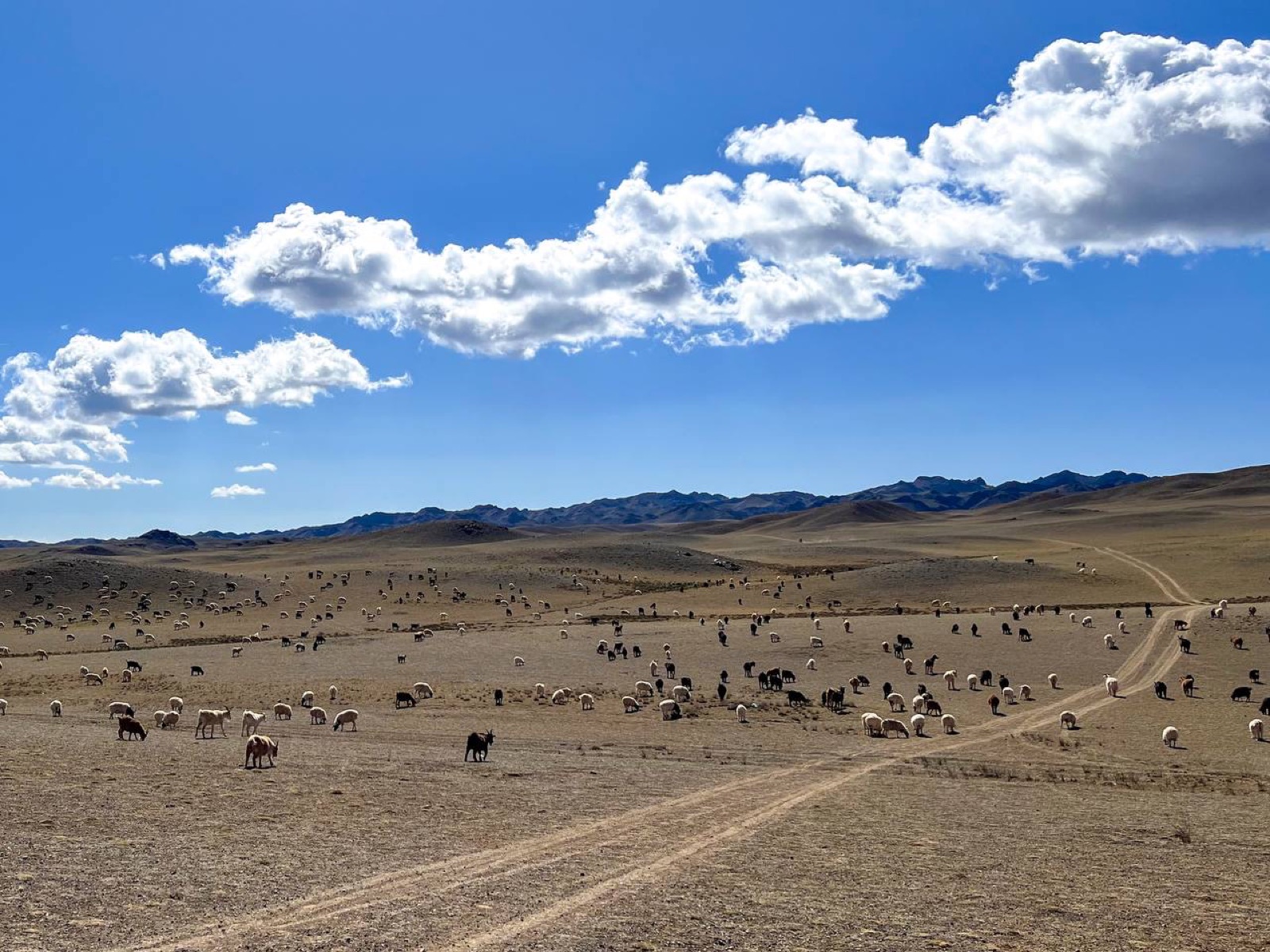
Mongolia is cheap to live in and not especially cheap to travel in. Food, taxis and museum tickets cost little. Getting into the countryside, which is the reason you came, needs a vehicle, a driver, fuel and usually a guide, and that is where the money goes.
The currency
The currency is the tugrik (also written tögrög), code MNT, symbol ₮. Notes run from 10 to 20,000 tugrik. There are no coins in use. The exchange rate moves, so check it before you travel. Prices in tugrik have many zeros, and it takes a day or two to get used to them.
Tours are usually priced in US dollars and paid to the operator by bank transfer or card before you arrive.
Cash and cards
- In Ulaanbaatar, cards (Visa and Mastercard) are accepted in hotels, supermarkets, most restaurants and many shops. ATMs are everywhere in the centre.
- In provincial capitals there are ATMs and banks, but they do not always work with foreign cards.
- In the countryside, it is cash only, in tugrik. Family homestays, small shops, horse and camel rides, park fees, showers and souvenirs all need cash.
Withdraw or change what you need in Ulaanbaatar before you leave. Banks and exchange offices in the centre give fair rates for US dollars, euros and several Asian currencies. Bring clean, undamaged notes, since torn or marked bills may be refused. Ask for some small notes, because nobody in the countryside can change a 20,000.
On an organised tour with meals included, most people need only modest pocket money per day for drinks, snacks, showers and souvenirs.
What a trip costs
Costs depend on group size, comfort and distance more than anything else. As a rough guide per person, for trips with guide, driver, vehicle, meals and accommodation included:
| Style | What you get | Rough cost per day |
|---|---|---|
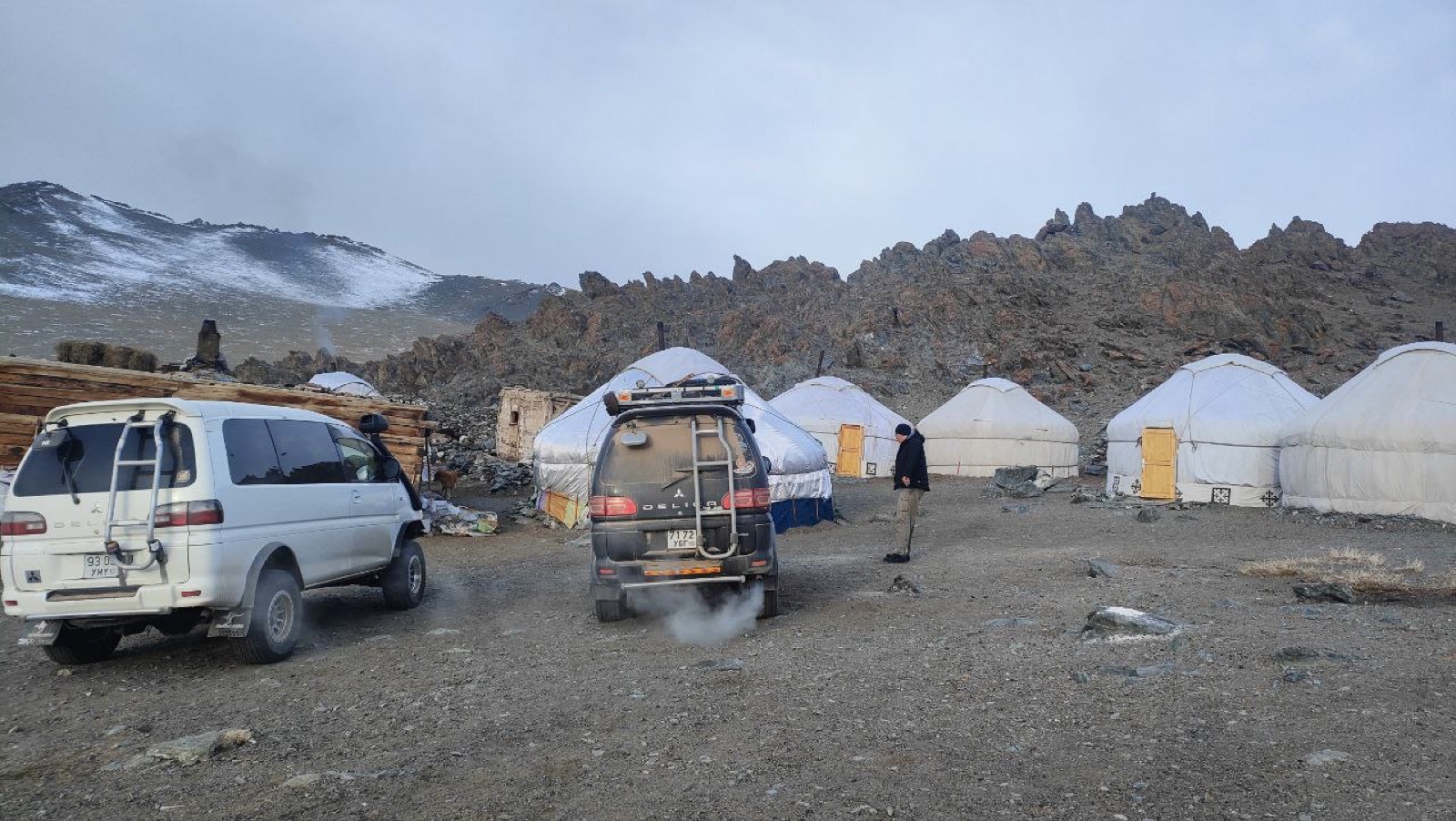
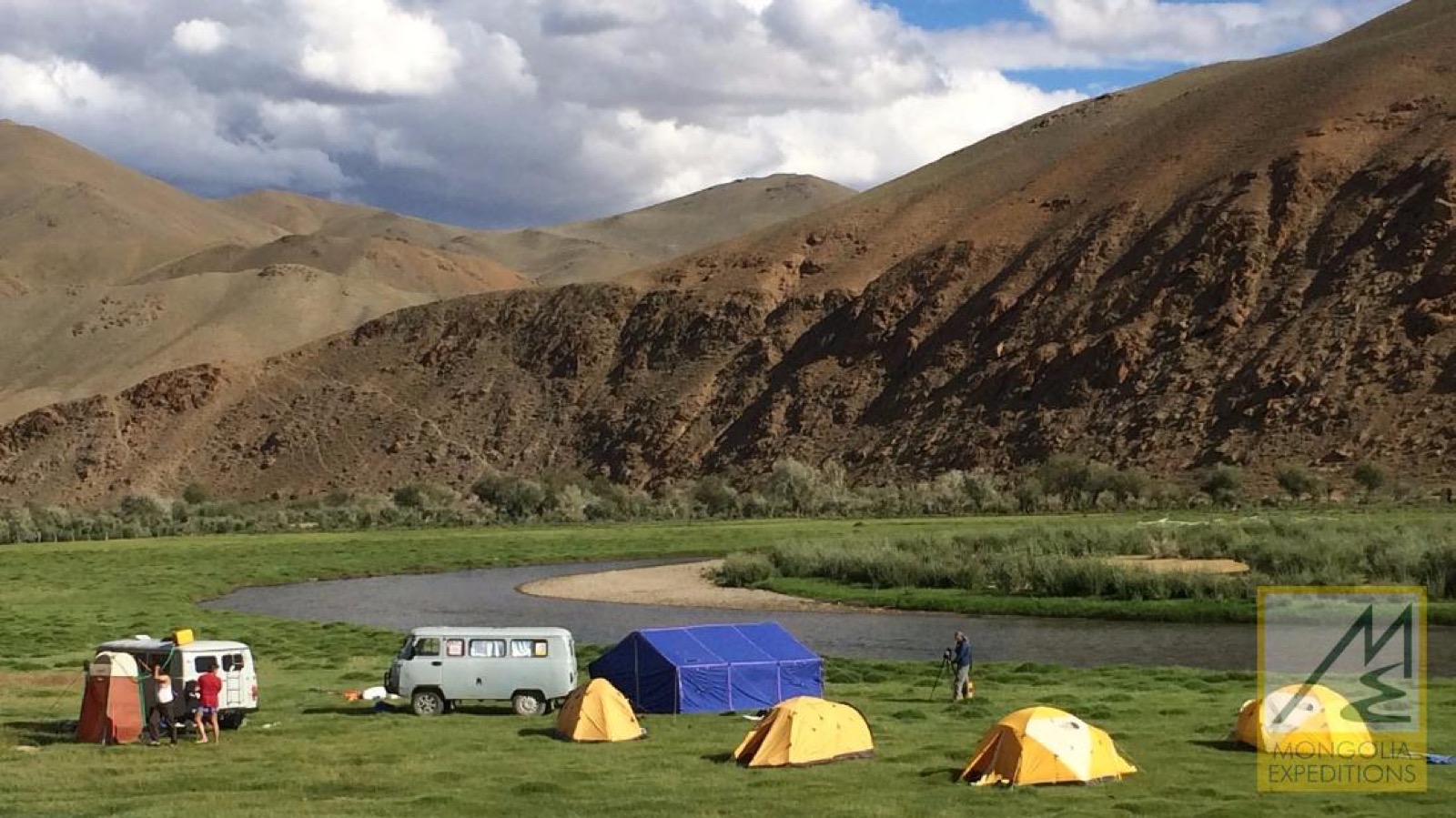
| Budget | UAZ van, family gers and tents, shared with others | US$70 to 120 |
| Mid-range | 4x4 or van, tourist ger camps, English-speaking guide | US$150 to 250 |
| Comfort | Land Cruiser, best camps or lodges with private bathrooms | US$300 and up |
These are indications, not quotes. Prices are higher in July, for very small groups, and for trips involving domestic flights. The far west costs more because of the flights.
Why tours cost what they do
- Fuel and distance. A week in the Gobi means 2,000 km or more.
- Two staff. Most trips have a driver and a guide, who are fed and housed for the whole trip, and who must also get home.
- A short season. Camps, vehicles and guides earn most of their year's income in about four months.
- Small groups. With three travellers in a vehicle, the fixed costs are shared between few people.
This is why joining a scheduled group departure is usually much cheaper than a private trip: the vehicle, guide and driver are shared among more people. It is also why operators set a minimum number: below it, the trip loses money and may be cancelled. On this site, each departure shows whether it is guaranteed to run.
What is usually not included
Read the "not included" list of any trip. Typically:
- International flights
- Travel insurance
- Visa fees, if any
- Alcoholic drinks, and soft drinks outside meals
- Tips
- Optional activities, such as extra horse or camel rides
- Meals in Ulaanbaatar
- Single room or single ger supplements
Tipping
Tipping is not a Mongolian tradition, but in tourism it has become expected for guides and drivers, whose wages are modest and seasonal.
- Guides and drivers: as a rough guide, US$5 to 10 per traveller per day for the guide and a little less for the driver, given at the end of the trip. More for excellent service, less in a large group.
- Cooks and horsemen on trekking trips: a smaller amount each.
- Restaurants in Ulaanbaatar: not required. Some add a service charge. Rounding up or 5 to 10 per cent is appreciated.
- Taxis: no tip.
- Host families: payment for a stay is arranged by your operator. A small gift is appreciated. See ger etiquette.
Bargaining
Prices in shops and restaurants are fixed. At markets and for souvenirs, a little friendly bargaining is fine. Hard bargaining is not part of the culture.
What to buy
Mongolia produces some of the world's best cashmere, and the factory shops in Ulaanbaatar are good value. Felt slippers and crafts, wool and camel-hair blankets, and embroidered Kazakh wall hangings from the west are also worth the space. Do not buy antiques, fossils or anything made from wild animals. See visa and entry requirements.
For a realistic budget for your own dates and group size, book a consultation.